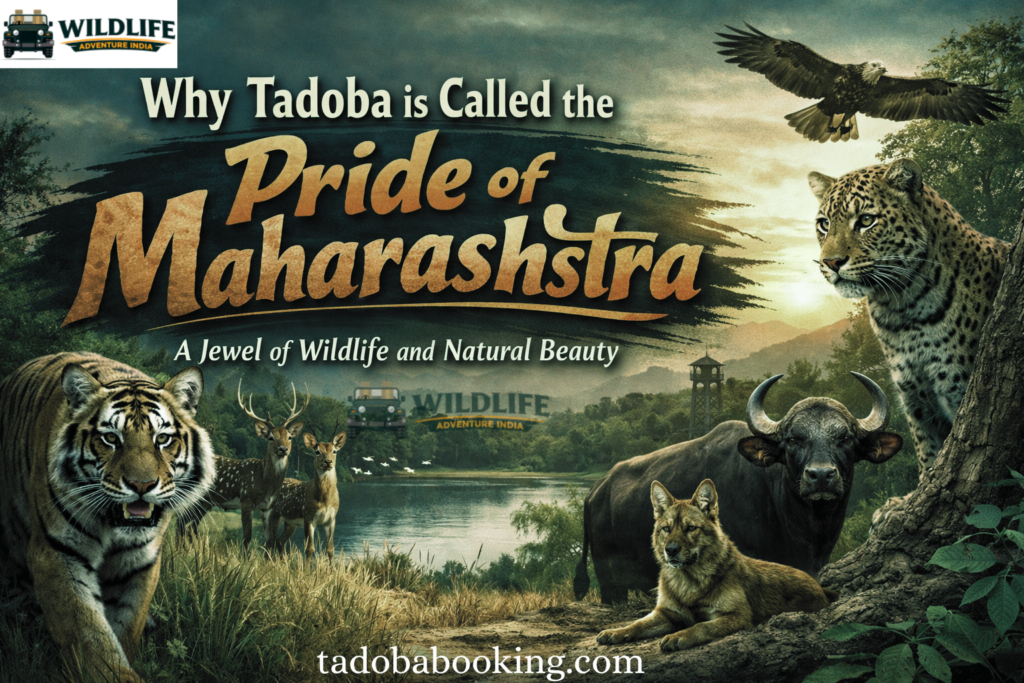
Tadoba-Andhari Tiger Reserve, located in the Chandrapur district of Maharashtra, is proudly known as the “Pride of Maharashtra”. This title is not simply an expression of admiration—it reflects the reserve’s ecological importance, remarkable tiger population, successful conservation programmes, cultural roots, and strong contribution to ecotourism and the state’s economy.
As the oldest and largest national park in Maharashtra, Tadoba represents the state’s commitment to protecting its natural heritage. Established in 1955 as Tadoba National Park and later merged with the Andhari Wildlife Sanctuary in 1995, the reserve now covers more than 1,700 square kilometres. It is a crucial part of India’s ambitious Project Tiger, which aims to conserve the Royal Bengal tiger and its habitat.
Over the decades, Tadoba has grown into one of India’s most celebrated wildlife destinations, earning both national and international recognition. Its success story is a combination of biodiversity conservation, community participation, sustainable tourism, and strong forest governance.
A Thriving Tiger Population – The Heart of Tadoba
The primary reason Tadoba is regarded as the Pride of Maharashtra is its flourishing population of Royal Bengal Tigers. The reserve has one of the highest tiger densities in India, making it a stronghold for the species.
Tadoba is especially famous for frequent tiger sightings, which are relatively more common compared to many other reserves. Visitors often witness tigers walking confidently along safari routes, resting near water bodies, or hunting in open meadows. This visibility has made Tadoba a favourite destination for wildlife photographers and documentary filmmakers.
Several tigers from Tadoba have become iconic figures, including:
- Maya (also known as the “Queen of Tadoba”)
- Choti Tara
- Matkasur
- Sonam
These tigers have drawn global attention, contributing to Tadoba’s reputation as a premier tiger reserve.
The consistent growth in tiger numbers is a clear sign of a healthy ecosystem. It reflects the success of anti-poaching efforts, habitat management, prey base improvement, and scientific wildlife monitoring. The thriving tiger population alone makes Tadoba a symbol of pride for Maharashtra.
Extraordinary Biodiversity Beyond Tigers
While tigers dominate the spotlight, Tadoba’s ecosystem is incredibly diverse and vibrant. The reserve consists of dry deciduous forests, bamboo forests, open grasslands, lakes, rivers, and rocky terrains that create ideal habitats for a wide range of species.
Flora
The forest is primarily composed of:
- Teak trees
- Bamboo clusters
- Mahua trees
- Ain and Bija trees
- Tendu and Arjun trees
These plant species not only support wildlife but also play a vital role in maintaining soil health, preventing erosion, and regulating the climate.
Fauna
Apart from tigers, Tadoba shelters a wide variety of wildlife, including:
- Leopards
- Sloth bears
- Indian wild dogs (dholes)
- Gaurs (Indian bison)
- Sambar deer
- Spotted deer (chital)
- Barking deer
- Nilgai
- Wild boars
- Marsh crocodiles
The reserve also shelters more than 200 species of birds, making it a haven for avian diversity. Bird lovers can spot crested serpent eagles, paradise flycatchers, Indian pittas, owls, peafowl, and grey-headed fish eagles.
The Tadoba Lake, Kolsa Lake, and the Andhari River serve as vital lifelines for wildlife, especially during the harsh summer months. Animals frequently gather around these water sources, creating spectacular wildlife viewing opportunities.
This rich biodiversity enhances Tadoba’s ecological significance and strengthens its identity as Maharashtra’s pride.
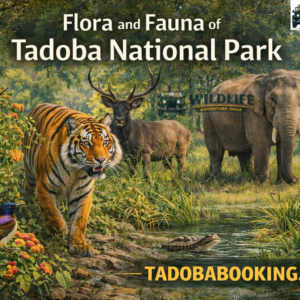
Read Also: Flora and Fauna of Tadoba National Park
A Model of Successful Conservation
Tadoba’s transformation into a conservation success story did not happen overnight. It is the result of decades of dedicated efforts by forest officials, conservationists, and local communities.
Under Project Tiger, several initiatives have been implemented:
- Strict anti-poaching patrols
- Use of camera traps and GPS monitoring
- Habitat improvement and grassland development
- Creation of waterholes
- Scientific wildlife census
- Village relocation from core areas
- Community awareness programmes
Relocating villages from critical tiger habitats has reduced human-wildlife conflict and allowed the forest to regenerate naturally. Modern technology has strengthened wildlife monitoring systems.
Tadoba’s growing tiger numbers and stable ecosystem show how effective conservation planning can yield positive outcomes. It stands as a benchmark for other reserves in Maharashtra and across India.
Economic Impact and Sustainable Ecotourism
Tadoba plays a major role in boosting ecotourism in Maharashtra. Every year, thousands of tourists visit the reserve, generating revenue for the state and improving local livelihoods.
Safari tourism has created direct and indirect employment opportunities, including:
- Safari vehicle drivers
- Tourist guides and naturalists
- Forest staff
- Resort and hospitality workers
- Local artisans and shopkeepers
Eco-resorts and homestays in buffer zones promote sustainable tourism practices. Revenue generated from tourism helps fund conservation programmes and community welfare initiatives.
By balancing tourism with environmental responsibility, Tadoba has become a model for sustainable development. This economic contribution further strengthens its reputation as the Pride of Maharashtra.
Cultural and Spiritual Connection
The name “Tadoba” is believed to have been derived from a local tribal deity known as “Taru,” who is also referred to as “Tadoba” by the indigenous communities of the region. A small temple dedicated to this deity is located near Tadoba Lake. The Gond tribal community and other indigenous groups living in the region share a deep spiritual connection with the forest.
Their folklore, traditions, and sustainable lifestyles reflect harmony with nature. This cultural dimension adds depth to Tadoba’s identity—it is not just a wildlife reserve but also a living heritage site.
The blend of ecology and culture makes Tadoba even more special and worthy of pride.
A Symbol of Environmental Responsibility
In today’s world, where deforestation, climate change, and habitat destruction threaten wildlife, Tadoba stands as a beacon of hope. It proves that strong governance, community participation, and scientific conservation can protect endangered species.
Tadoba symbolises Maharashtra’s dedication to environmental preservation. It reflects how nature conservation can coexist with economic growth and cultural heritage.
Conclusion
Tadoba-Andhari Tiger Reserve is rightly called the Pride of Maharashtra because it represents ecological richness, conservation success, economic empowerment, and cultural heritage. Its thriving tiger population, diverse wildlife, scenic landscapes, and sustainable tourism practices make it one of India’s finest wildlife reserves. Beyond being merely a Tadoba National Park, Tadoba stands as a vibrant symbol of resilience, breathtaking natural beauty, and dedicated environmental conservation. It stands as a legacy that future generations of Maharashtra can cherish and protect.
Tadoba is called the Pride of Maharashtra because of its thriving tiger population, rich biodiversity, successful conservation programmes, and significant contribution to ecotourism and the local economy.
Tadoba contributes through anti-poaching measures, habitat management, village relocation, wildlife monitoring, and participation in Project Tiger.
Tourism generates employment opportunities for guides, drivers, resort staff, and local businesses, improving livelihoods while supporting conservation.
The name is derived from a local tribal deity named “Taru” or “Tadoba”, worshipped by indigenous communities in the region.
Yes, Tadoba is suitable for families, nature lovers, wildlife photographers, and adventure seekers who wish to experience India’s rich forest heritage.