
About Tadoba–Andhari Tiger Reserve
Tadoba–Andhari Tiger Reserve sits in the Chandrapur district of Maharashtra and is one of the oldest wildlife sanctuaries in India. The reserve covers more than 1,727 square kilometres and carries one of the healthiest Bengal tiger populations in the country. What makes Tadoba Tiger Reserve stand out from most other reserves is simple tigers show up here. Not occasionally, not once in a lucky while, but regularly and often in the open. That is why wildlife lovers, photographers, and nature travellers come back to this place season after season without needing much convincing.
The name comes from two places. Tadoba also called Taru is a local deity worshipped by tribal communities who have lived alongside this forest for generations. Andhari is the river that runs quietly through the dense forest and gives the reserve its second name. Together these two roots give Tadoba a character that purely wild destinations rarely carry. The core zone splits across several ranges — Tadoba, Kolara, Moharli, Navegaon, Agarzari, and Pangdi and each one feels a little different from the others. Enter from Moharli gate, Kolara gate, or Navegaon and the jungle closes around you within minutes of crossing the boundary.
Tigers are the headline but Tadoba holds much more. Leopards, sloth bears, wild dogs (dholes), gaur (Indian bison), sambar deer, spotted deer (chital), nilgai, crocodiles, and pythons all live here. Over 200 bird species move through the reserve across different seasons. Tadoba Lake sits in the buffer zone and works like a magnet — animals come to it naturally, especially during summer when other water sources dry up. A Tadoba jungle safari near the lake during peak months gives you the kind of multi-species sighting that most reserves simply cannot offer. October to June is the open season with March to May being peak dry heat pushes animals into the open near water and grasslands and sightings happen in broad daylight.
The forest department and local communities working together is a big part of why Tadoba National Park carries the reputation it does today. Project Tiger gave the conservation effort its structure and the results have shown up consistently in tiger census numbers. Tadoba records one of the highest tiger densities among all tiger reserves in Maharashtra year after year. The nearest major city is Nagpur at roughly 103 km away — airport, railway station, good road connectivity, all there. Chandrapur is even closer and works as the most common base for visitors heading to the reserve.
For anyone planning their first wild safari or even their tenth, Tadoba offers an experience that feels completely real and unhurried. The gypsy safari inside Tadoba core zone takes you deep into the forest with an experienced naturalist and a certified guide who knows the trails, the tiger territories, and the behaviour of the animals. Every ride through the sal and teak forest past still water holes and sun-dappled clearings feels like stepping into a wildlife documentary. Whether you're staying at a comfortable Tadoba resort near the buffer zone or a budget-friendly camp on the outskirts, the jungle sounds at dawn and dusk remind you how alive this place truly is.
Why Is Tadoba Famous For?
Tadoba–Andhari Tiger Reserve is most famous for wild tiger sightings and that is the number one reason people plan a trip here. India has many tiger reserves, but Tadoba stands out because the chance of spotting a tiger in the open is genuinely high compared to most other forests. This is why it has earned the nickname "The Land of Tigers" among wildlife enthusiasts across the country.
The reserve is home to one of the highest tiger densities in Maharashtra, and the relatively open terrain of sal and teak forests makes it easier to spot big cats during a Tadoba safari. Apart from tigers, the forest is equally famous for frequent leopard sightings, large herds of gaur (Indian bison), sloth bears, and wild dogs making every safari a full wildlife experience, not just a tiger hunt.
Tadoba Lake is another reason this place is so talked about. Animals gather here naturally, especially during the dry summer months, giving visitors a rare chance to watch tigers, crocodiles, and deer all in one frame. The best time to visit Tadoba for maximum sightings is between March and May, the peak season when the forest opens up and animals are most visible near water holes.
Tadoba is also famous for being easily reachable from Nagpur just 103 km away making it a perfect weekend wildlife destination for travellers from Mumbai, Pune, and Hyderabad as well.
Simply put, Tadoba is famous because it delivers what every wildlife lover comes for a real, raw, and unforgettable jungle experience.
Tadoba National Park Safari Experience
A safari inside Tadoba National Park is something you simply cannot compare to any other wildlife experience in India. The moment your gypsy enters the core zone through gates like Moharli, Kolara, or Navegaon the thick sal and teak forest takes over and the real jungle begins.
Safaris here run twice a day early morning and afternoon. The morning slot starts around 6:00 AM and the afternoon slot begins near 3:00 PM, with each session lasting roughly 3 to 4 hours. Every gypsy carries a certified naturalist and a forest guide who knows the tiger territories, animal movement patterns, and the best spots to wait and watch.
The Tadoba core zone safari gives you the highest chance of a tiger sighting, while the buffer zone safari is ideal for bird watchers and those who want a quieter, more relaxed ride through the forest. Tadoba Lake along the safari route is a favourite stop where tigers, crocodiles, and deer are often spotted together near the water.
Explore Our Services
Plan your perfect wildlife trip with our trusted safari booking, tour packages, and hotel booking services at Tadoba National Park.
Safari Booking
Book your Tadoba jungle safari with us in just a few simple steps. core zone and buffer zone slots, certified naturalist arrangements, and gypsy bookings so you do not have to worry about anything. Just pick your date and we take care of the rest.
Book NowTour Packages
Explore our carefully designed Tadoba tour packages built for every kind of traveller, solo explorers, couples, families, and wildlife photography groups. Each package covers safari slots, accommodation, meals, and travel giving you a complete and hassle-free Tadoba National Park experience from the moment you arrive to the moment you leave.
Explore PackagesHotel Booking
Stay close to the forest with our handpicked selection of Tadoba resorts and jungle camps near the buffer zone. From comfortable nature lodges to budget-friendly stays, we offer accommodation options for every budget all located within easy reach of the main Tadoba safari gates for a convenient and relaxing stay.
Find HotelsFamous Tigers of Tadoba National Park
Tadoba is not just a forest, it is home to some of the most well-known and individually recognised tigers in India. Wildlife enthusiasts and photographers visit specifically to spot these famous tigers of Tadoba National Park by name. Here are the most talked-about ones:
Maya
The Queen of TadobaMaya is perhaps the most famous tigress in Tadoba Tiger Reserve and one of the most photographed wild tigers in India. Known for her bold and fearless nature, she has been spotted multiple times in open areas near Moharli range. Maya has raised several litters successfully, contributing greatly to Tadoba's growing tiger population.
Choti Tara
The Fearless OneChoti Tara is another celebrated tigress of Tadoba, well known among safari guides and regular visitors. She is comfortable around gypsies and often spotted resting or walking confidently in open forest trails, making her a favourite subject for wildlife photographers during a Tadoba core zone safari.
Sonam
The Kolara StarSonam is a well-known tigress frequently sighted around the Kolara gate zone. She is known for being a strong and protective mother and has been regularly tracked by forest officials and naturalists over the years.
Waghdoh
The Big MaleWaghdoh is one of the most dominant male tigers ever recorded in Tadoba forest. His large territory and powerful build made him legendary among wildlife lovers. Sightings of Waghdoh were always considered a special moment during any Tadoba jungle safari.
Matkasur
The Current Dominant MaleMatkasur is currently one of the most talked-about tigers in Tadoba National Park. Known for his massive size and strong territorial presence, he is frequently spotted around the Navegaon and Agarzari buffer zones. Wildlife photographers consider a Matkasur sighting one of the most thrilling experiences in Indian wildlife tourism today.
Bijlee
The Swift TigressBijlee is known for her speed and sharp hunting skills. She is mostly spotted around the inner forest trails and is considered one of the more elusive yet exciting tigers to catch a glimpse of during a Tadoba safari.
History & Conservation of Tadoba National Park
The history of Tadoba National Park goes back much further than most visitors think. It did not start in 1995 when it became a tiger reserve. It did not start in 1955 when it became a national park either. This forest has been here for centuries full of sal and teak trees, rich with wildlife, sitting in the hills of Chandrapur district. Long before any government put a boundary around it, this land was already one of the most important wild places in central India.
Ancient Roots: The Gond Kingdom & Forest Stewardship
Long before any conservation law existed, these forests belonged to the Gondwana kingdom. Gond tribal kings ruled this land and the communities living across Chandrapur had a relationship with the forest that went far deeper than just living near it. They worshipped a forest deity called Tadoba also known as Taru and his name is what this reserve still carries today. For Gond communities the forest was never something to cut down or sell. It was alive, it was sacred, and it was worth protecting. That belief kept this land intact for centuries. No government policy, no legal boundary, no conservation programme just people who genuinely cared about what grew and lived around them. The biodiversity that draws visitors to Tadoba today survived this long partly because of them.
The Name: Where Tadoba Comes From
The name Tadoba comes from a local tribal story that people in this region have carried for centuries. Taru, also called Tadoba, was a village chief from the Gond tribe. He was killed by a tiger. After his death the community did not forget him. They worshipped him as a deity and built a small temple in his honour inside the forest near Tadoba Lake. That temple still stands today. Villagers from the surrounding areas still walk in to offer prayers there. The forest took his name and kept it. The second half Andhari comes from the Andhari River. It runs straight through the heart of the reserve. Animals drink from it. The forest floor around it stays alive because of it. Two names, two origins, one forest that has held both for longer than anyone can fully trace.
Start of Systematic Fire Protection
The British administration began controlling forest fires in this area for the first time. Protecting the forest from fire was the first real step toward keeping this land intact.
Declaration of Reserved Forest
The forest was officially declared a Reserved Forest under British rule. This stopped open access and uncontrolled cutting of trees in the area.
Tadoba Closed as a Shooting Block for Tigers
Tiger hunting in Tadoba was restricted from this year. Shooting was only allowed under special permits issued by authorities — not freely as before.
First Forest Rest House Built
The very first Forest Rest House inside Tadoba was constructed in 1907. This was the earliest sign that the area was being managed as something worth preserving.
Closed for Shooting — All Animals
Hunting of all animals inside Tadoba was stopped completely. No shooting of any species was permitted from this year onwards.
Sanctuary Declared Around Tadoba Lake
An area of 45 square miles around Tadoba Lake was declared a sanctuary for all animals except wild boar. This gave the core forest its first real wildlife protection status.
Area Converted into a Game Reserve
The protected area was reclassified as a Game Reserve in 1942. This brought a more structured management system to the forest and its wildlife.
India Got Independence
India became independent in 1947. Control of forests and wildlife passed from British administration to the Government of India and its states.
Declaration of Tadoba National Park
On 1st October 1955 the Government of Maharashtra officially declared Tadoba as a National Park. This was the biggest milestone in Tadoba's conservation history up to that point.
Stoppage of Non Timber Forest Produce Collection
Collection of non-timber forest produce from inside Tadoba National Park was stopped in 1968. This reduced human activity inside the park and gave wildlife more undisturbed space.
Shifting of Khatoda and Pandharpauni Villages
Two villages — Khatoda and Pandharpauni were relocated outside the park boundary in 1972. This cleared human settlements from inside the core forest area.
Shooting Blocks Closed for Hunting
All remaining shooting blocks near Tadoba were officially shut down for hunting in 1974. Wildlife inside and around the reserve got full protection from that point.
Declaration of Andhari Sanctuary
The Andhari Wildlife Sanctuary was officially notified in 1986 covering forest land adjacent to Tadoba National Park. This added a large connected forest area to the protected landscape.
Notification of Tadoba-Andhari Tiger Reserve
Tadoba National Park and Andhari Wildlife Sanctuary were merged in 1995 to form the Tadoba-Andhari Tiger Reserve under Project Tiger. The total protected area crossed 1,727 square kilometres.
TATR Declared as Critical Tiger Habitat
Tadoba-Andhari Tiger Reserve was officially declared a Critical Tiger Habitat in 2007. This gave the most sensitive forest areas inside the reserve the highest level of legal protection under Indian law.
Formation of Tadoba Andhari Tiger Reserve Conservation Foundation
A dedicated conservation foundation for TATR was established in 2009. This body was created to support wildlife protection, research, and community-based conservation work around the reserve.
Buffer Zone Notified
The buffer zone of Tadoba-Andhari Tiger Reserve was officially notified in 2010. This created a defined transition area between the core forest and the surrounding human settlements.
Unified Control Under Field Director
Management of Tadoba-Andhari Tiger Reserve was brought under a single Field Director in 2012. Unified control meant better coordination across the entire reserve.
Unified Control of Entire Area Handed Over to Field Director
In 2013 complete and formal control of the entire Tadoba-Andhari Tiger Reserve — core and buffer both was officially handed to the Field Director. One authority, one management system across the whole reserve.
Declaration of Eco-Sensitive Zone
An Eco-Sensitive Zone or ESZ was declared around Tadoba-Andhari Tiger Reserve in 2019. This created a protected buffer around the reserve boundary where development and human activity are strictly regulated to protect the surrounding forest ecosystem.
Today: A Living Conservation Success Story
Today, Tadoba–Andhari Tiger Reserve stands as one of the finest examples of tiger conservation in India. With a thriving tiger population, a well-managed safari system across core and buffer zones, and strong community participation in eco-tourism, Tadoba has proven that wildlife protection and local livelihoods can grow together. Every visitor who enters this forest today is walking through decades of dedicated conservation work and every tiger sighted here is proof that it has worked.
Flora and Fauna of Tadoba National Park
Tadoba–Andhari Tiger Reserve is far more than just a tiger destination. The wildlife in Tadoba covers a wide range of species — big predators, rare birds, reptiles, and trees that have been standing here for decades. The forest, the water bodies, and the open grasslands all work together and support life at every level.
Flora of Tadoba National Park
Sal and teak are the two trees you see most inside Tadoba National Park. They cover both the core and buffer zones and form a thick green roof over the forest roads. Tendu, ain, bija, mahua, and bamboo fill in the gaps throughout the reserve. Mahua is the one tree that carries real meaning here, tribal communities have used it for generations and during spring you will find sloth bears and deer sitting under mahua trees feeding on the flowers that drop to the ground. Open grass patches break up the forest at several points and these clearings are where animals gather when it gets dry. After the monsoon the whole forest floor changes completely wildflowers come up, creepers climb everything, fresh grass covers the ground. The Tadoba jungle during this time looks unlike anything you will see in summer.
Fauna of Tadoba National Park
The fauna of Tadoba is what draws wildlife lovers from across the world. The Bengal tiger leads the list, with Tadoba recording one of the highest tiger densities in Maharashtra. Leopards, sloth bears, gaur (Indian bison), wild dogs (dholes), striped hyenas, and jungle cats are regularly sighted. Herbivores like sambar deer, spotted deer (chital), nilgai, and barking deer form the backbone of the food chain. Tadoba Lake and the Andhari River are home to marsh crocodiles and Indian pythons. Over 200 bird species including the crested serpent eagle, Indian pitta, and grey-headed fish eagle make this reserve a complete wildlife in Tadoba experience for every kind of nature lover.
Best Time to Visit Tadoba National Park
October to February
Winter is a comfortable time to plan your Tadoba National Park visit. The weather stays cool and pleasant making long safari hours enjoyable. The forest remains green and animals stay active throughout the day. This season is especially loved by bird watchers as migratory birds arrive near Tadoba Lake and surrounding wetlands in good numbers.
March to May
This is the best time to visit Tadoba for wildlife lovers. Rising summer heat dries up water sources, forcing tigers, leopards, and gaur into the open near water holes often in broad daylight. April and May give you the highest chance of a tiger sighting in Tadoba. Safari slots during this window fill up weeks in advance, so early Tadoba safari booking is a must.
June
June marks the final safari month before the park’s seasonal closure. The first rains bring the forest alive with fresh greens, making it visually stunning. However, animal sightings become less frequent and unpredictable as the monsoon approaches. A good option only if peak season dates did not work out for you.
July to September
Tadoba Tiger Reserve closes every year from July to September to let the forest and wildlife recover naturally without human disturbance. No safaris or tourist entry are permitted during this period. Use this time to plan and book your Tadoba safari tickets for the upcoming October season before slots run out.
Things to Do in Tadoba National Park
Tadoba is not just a place to visit, it is a place to experience. From thrilling safaris to peaceful nature walks, there is something here for every kind of traveller. Here are the best things to do in Tadoba National Park that you should not miss.
1. Gypsy Safari in Tadoba Core Zone
A Tadoba gypsy safari inside the core zone is the most popular and exciting activity here. Guided by a certified naturalist, you ride through dense sal and teak forests with a real chance of spotting tigers, leopards, and gaur up close. Morning and afternoon slots are available through official Tadoba safari booking.
012. Buffer Zone Safari
The Tadoba buffer zone safari is a quieter and more relaxed experience compared to the core zone. It covers larger forest patches and is ideal for bird watchers, photographers, and travellers who want to explore wildlife in Tadoba without the crowd. Sloth bears and wild dogs are frequently spotted here.
023. Wildlife Photography
Tadoba is considered one of the best destinations in India for wildlife photography in Tadoba. The open terrain, frequent tiger sightings, and natural light around Tadoba Lake make it a dream location for photographers. Many professional wildlife photographers visit specifically during peak season March to May for the perfect shot.
034. Bird Watching
With over 200 recorded bird species, bird watching in Tadoba is a deeply rewarding activity. The wetlands around Tadoba Lake attract migratory birds during winter months. Species like the crested serpent eagle, Indian pitta, and Indian roller are commonly spotted during early morning safaris between October and February.
045. Nature Walks in Buffer Zone
Guided nature walks in Tadoba are allowed in select buffer zone areas with a forest guide. Walking through the forest floor hearing jungle sounds, spotting animal tracks, and identifying plants gives you a completely different connection with the forest than a gypsy safari ever can.
056. Jungle Camping
Staying overnight inside or near the forest is a unique experience that many travellers now seek at Tadoba National Park. Several Tadoba jungle camps and resorts near the buffer zone offer outdoor camping setups where you can sit under open skies, listen to night jungle sounds, and wake up to birds at dawn.
067. Sunset & Sunrise Viewing
The golden hour inside Tadoba Tiger Reserve is something truly special. Early morning safari starts to give you a stunning forest sunrise, while afternoon safaris end just as the sky turns orange over the treetops. These quiet moments between sightings are what make a Tadoba safari experience truly unforgettable.
07Attractions of Tadoba
Tadoba–Andhari Tiger Reserve is much more than just tiger sightings. Every part of this forest has something different to see: old river banks, open grasslands, tribal villages, and beautiful lake views. Tadoba National Park stands apart from every other tiger reserve in India because of how much variety it offers in one place. First time here or coming back again, the attractions of Tadoba will always show you something you did not expect. This is not just a jungle, it is a whole natural world that you carry with you long after your trip ends. Here are all the major attractions that make Tadoba Forest one of the most visited and most loved wildlife destinations in the entire country.
1. Tiger Sightings
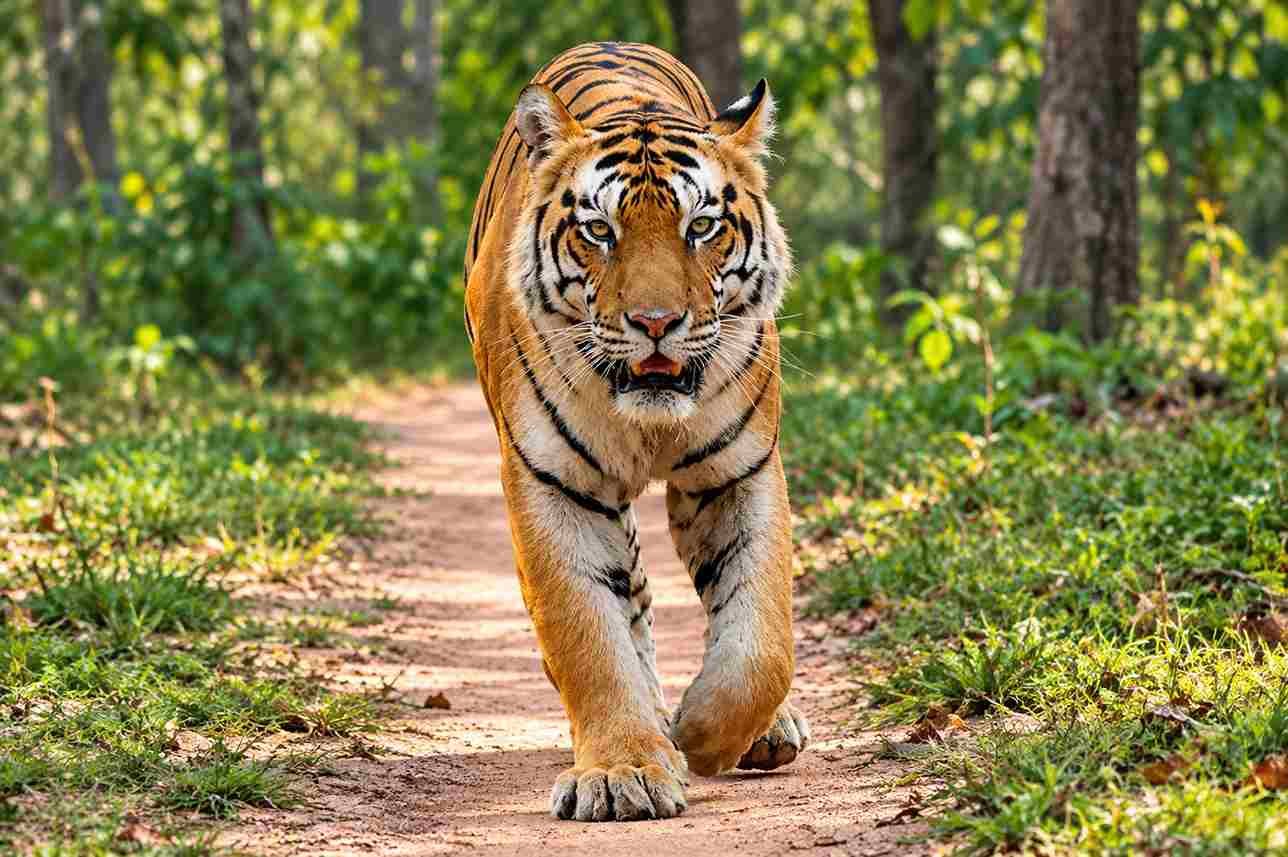
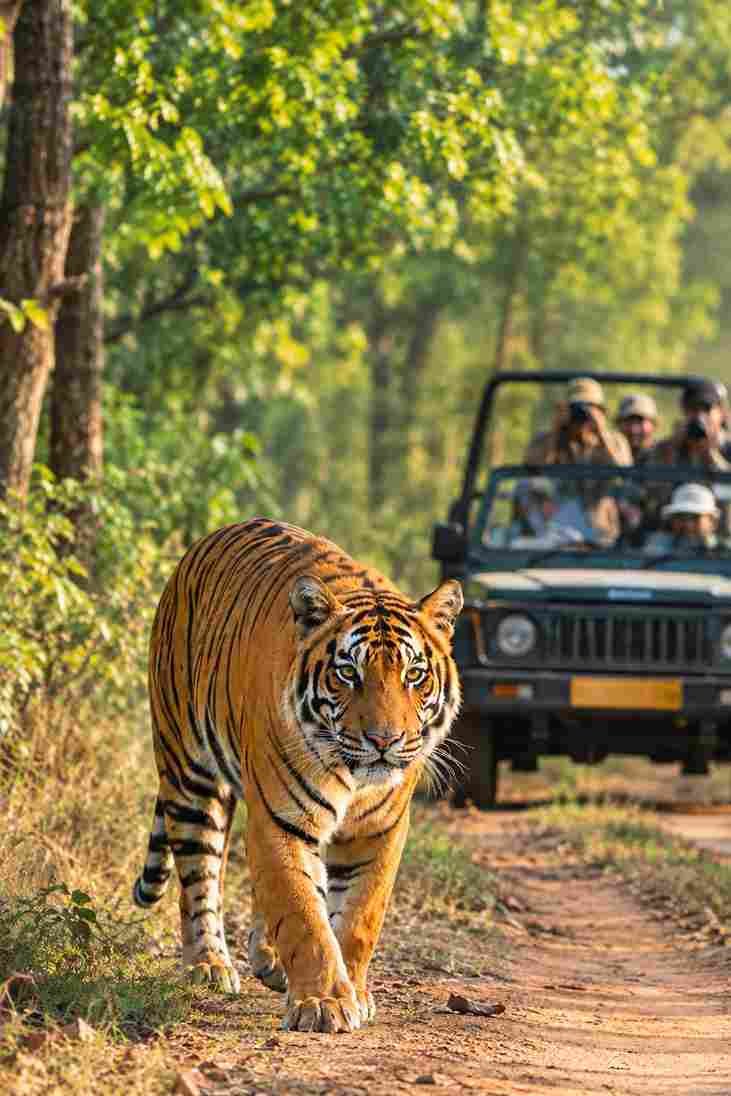
The biggest and most talked-about attraction of Tadoba National Park is its wild tiger sightings. With one of the highest tiger densities in Maharashtra, spotting a Bengal tiger in the open is a very real possibility here. Famous tigers like Maya, Matkasur, and Sonam have made Tadoba a must-visit destination for every wildlife lover in India.
2. Tadoba Lake
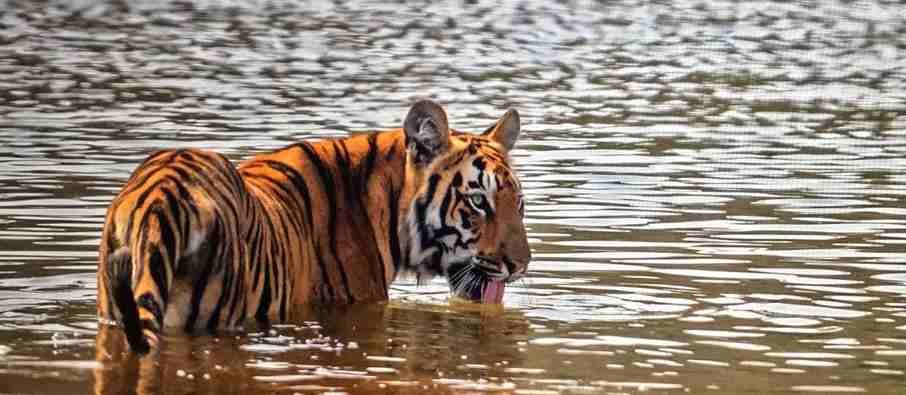
Tadoba Lake sits at the heart of the reserve and is one of the most scenic spots inside the forest. Animals naturally gather here especially during summer months making it a perfect wildlife watching point. Tigers, marsh crocodiles, sambar deer, and various water birds are regularly spotted around this lake during a Tadoba jungle safari.
3. Andhari River
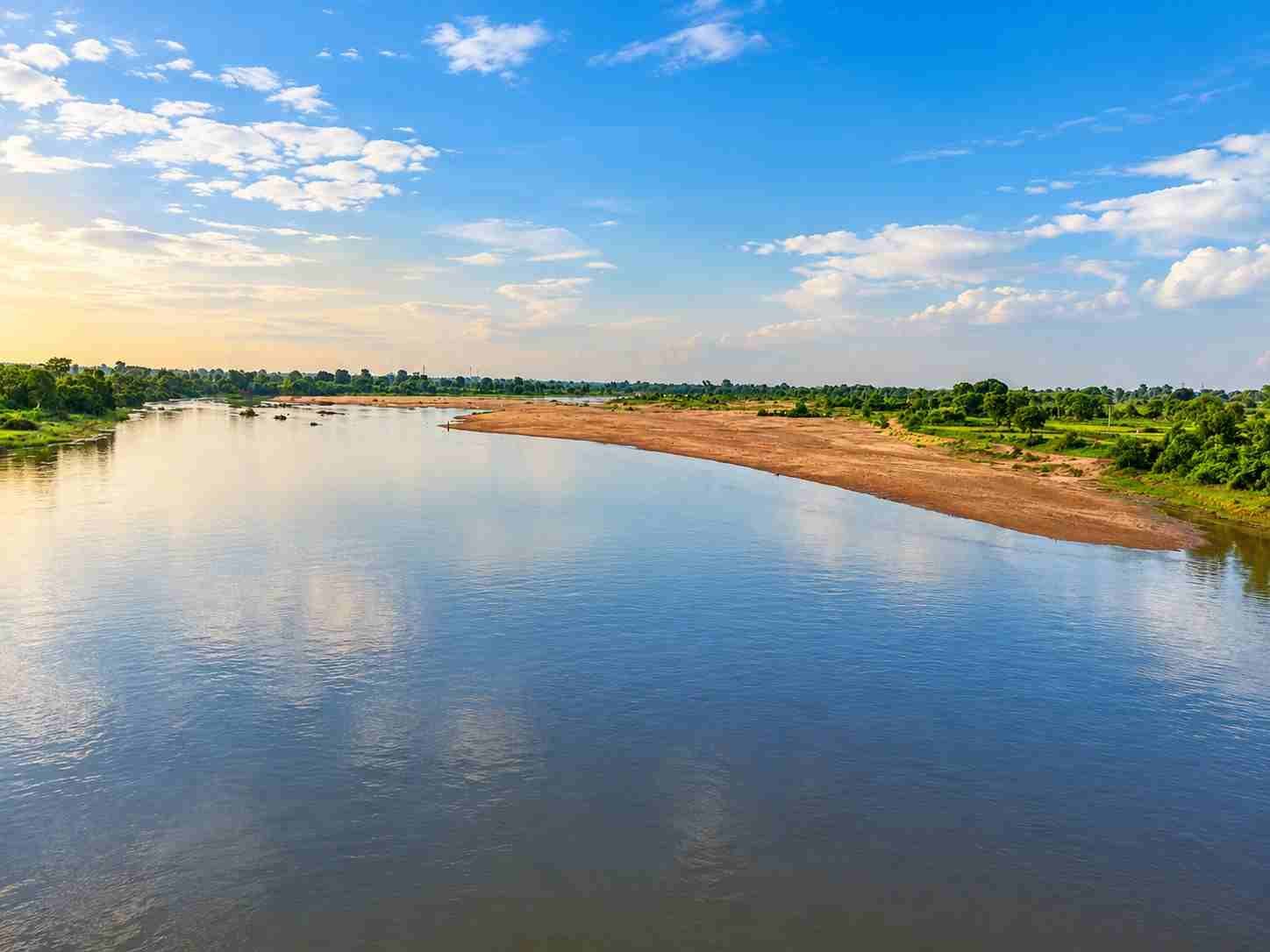
The Andhari River flows quietly through the reserve and gives the park its second name. The riverbank areas are rich in wildlife activity, marsh crocodiles bask along the banks, leopards come to drink, and various bird species nest near the water. The river adds a completely different landscape to the Tadoba forest experience.
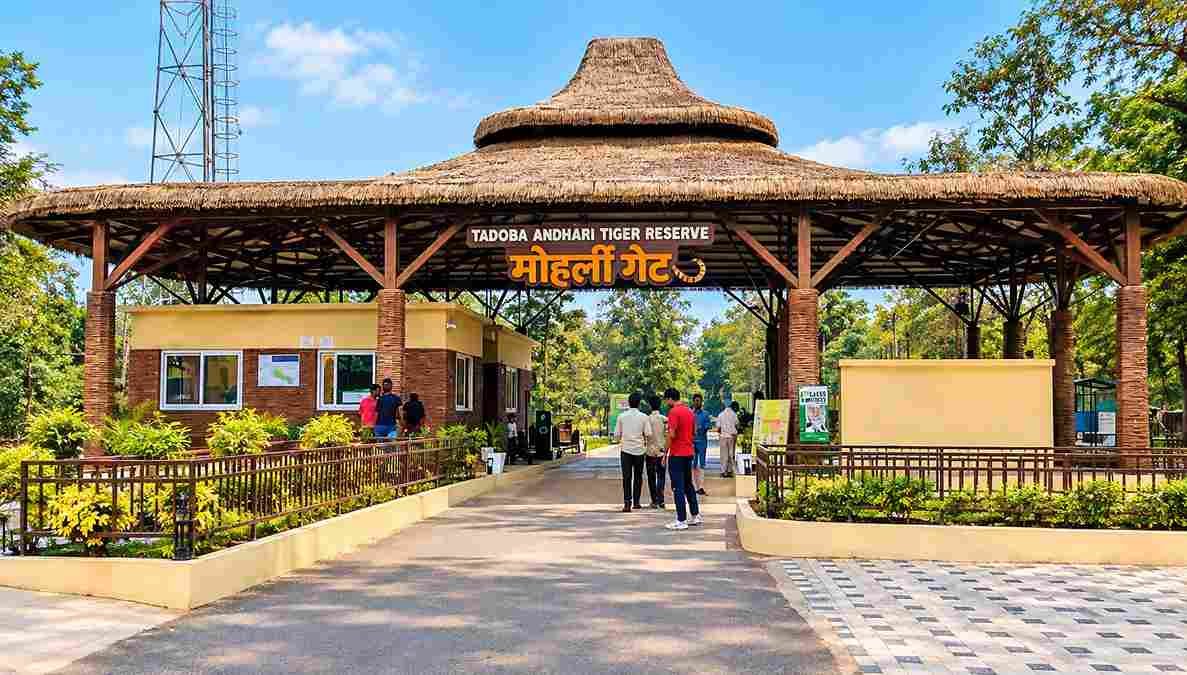
4. Moharli Gate & Range
Moharli range is one of the oldest and most popular entry points into Tadoba National Park. It is known for frequent tiger sightings and well-maintained safari trails. Most of the famous tigresses including Maya have been sighted regularly in this range, making Moharli a top choice for visitors during Tadoba safari booking.
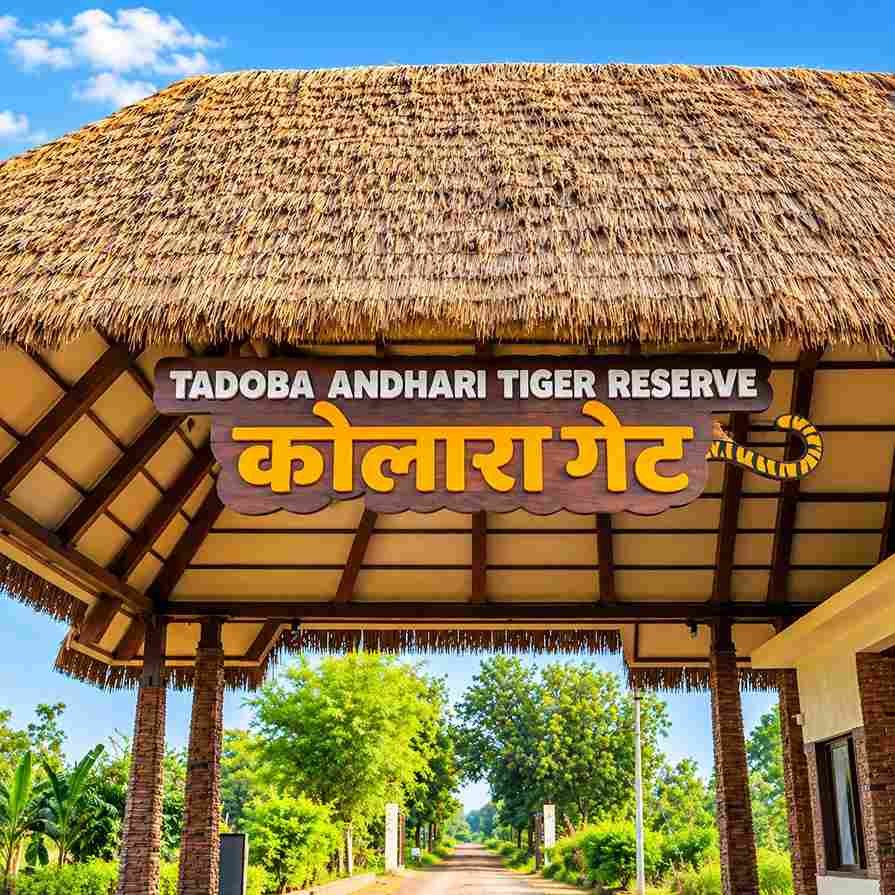
5. Kolara Gate Zone
The Kolara zone is well known among serious wildlife photographers and repeat visitors. This area offers a mix of open grasslands and dense forest, making animal sightings more visible and easier to photograph. Tigress Sonam is frequently spotted around this zone, adding to its popularity among Tadoba safari enthusiasts.
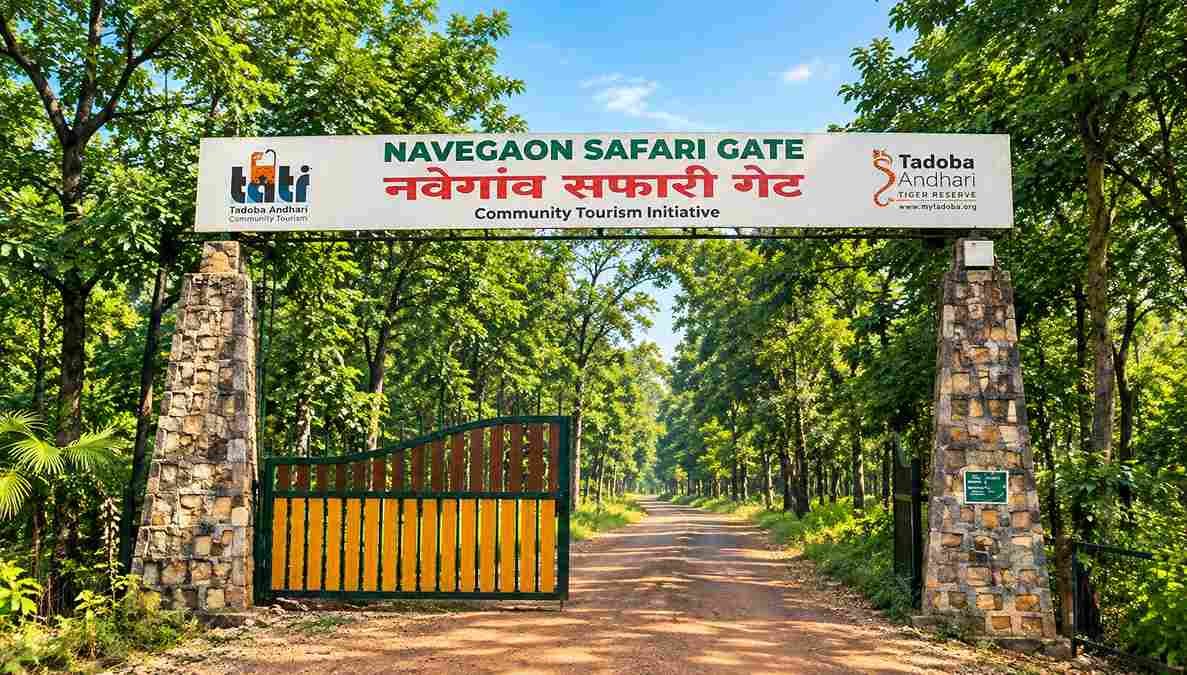
6. Navegaon & Agarzari Buffer Zone
The Navegaon and Agarzari zones fall in the buffer area and offer a more relaxed safari experience. These zones are home to dominant male tiger Matkasur and are excellent for sloth bear, wild dog, and leopard sightings. The landscape here is more open compared to the core zone, giving better visibility during safaris.
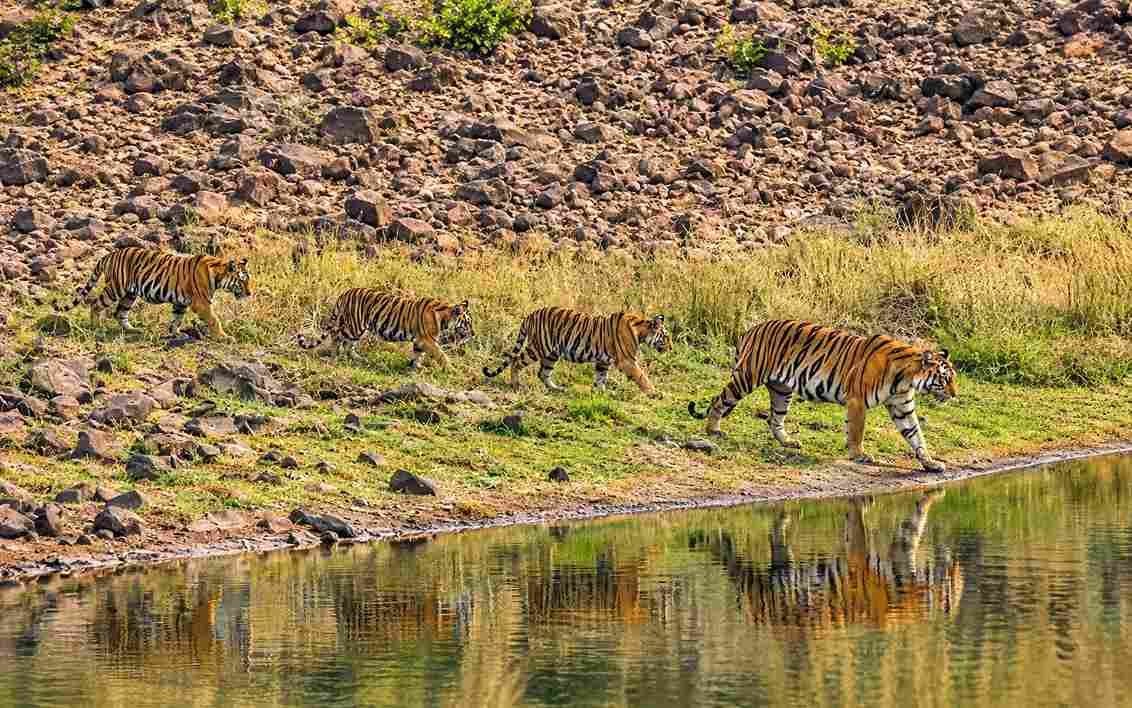
7. Open Grasslands and Meadows
The open grasslands and meadows inside Tadoba Andhari Tiger Reserve are worth visiting on their own. Gaur herds stand here in groups that are bigger than most people expect. Chital, sambar, and nilgai gather in the clearings especially in the early hours. Tigers and leopards use these open patches too — for hunting and for resting in plain sight. Early morning safaris through the grasslands give you the kind of sightings that dense forest areas simply cannot.
8. Bird Watching Spots
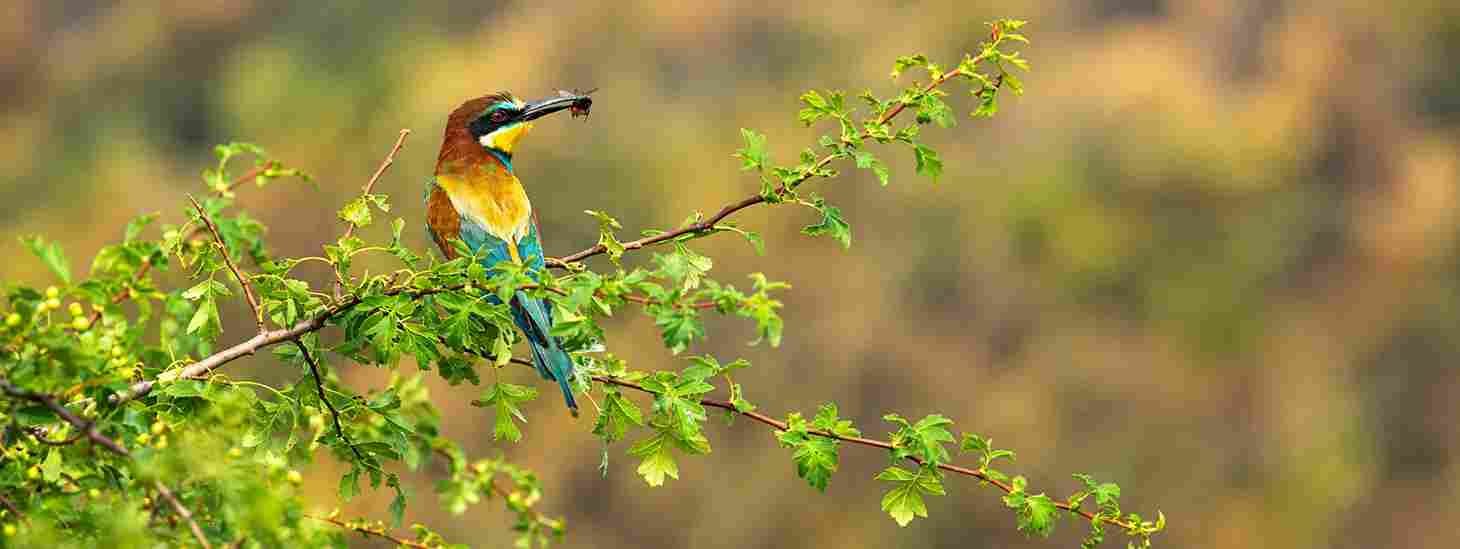
Tadoba National Park has some genuinely good bird watching spots in central India that most safari visitors walk right past. The wetlands around Tadoba Lake pull in a wide range of species. Forest edges and open meadows add more variety. Over 200 bird species have been recorded here — crested serpent eagle, grey-headed fish eagle, Indian pitta, lesser adjutant among them. Winter is when migratory birds show up and bird watching in Tadoba gets even better during those months. Carry binoculars even if birds are not your main reason for coming.
9. Jungle Resorts and Eco Camps
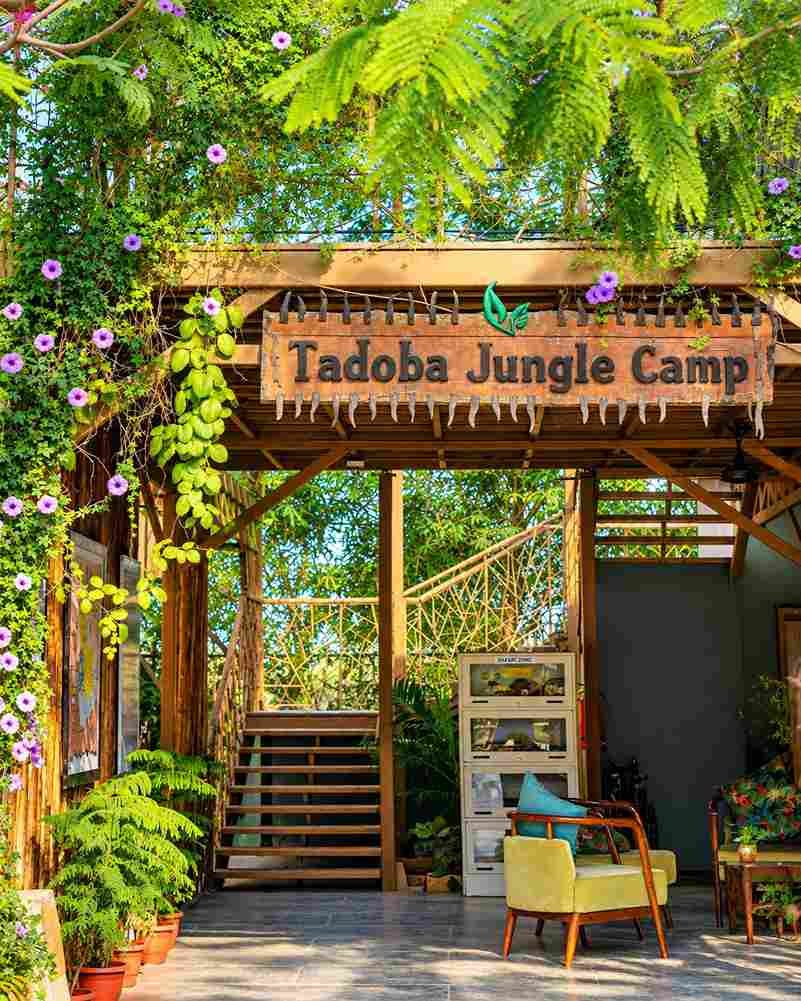
A lot of people who visit Tadoba Tiger Reserve end up extending their stay just because of where they are sleeping. Tadoba resorts and jungle camps near the buffer zone have a different feel from regular hotels — outdoor seating facing the treeline, campfire evenings, guided nature trails in some places. The forest sounds at night and the birds in the morning make leaving feel harder than it should. Staying close to the forest is a real part of the Tadoba experience, not just a place to rest between safaris.
10. Tribal Culture and Local Villages
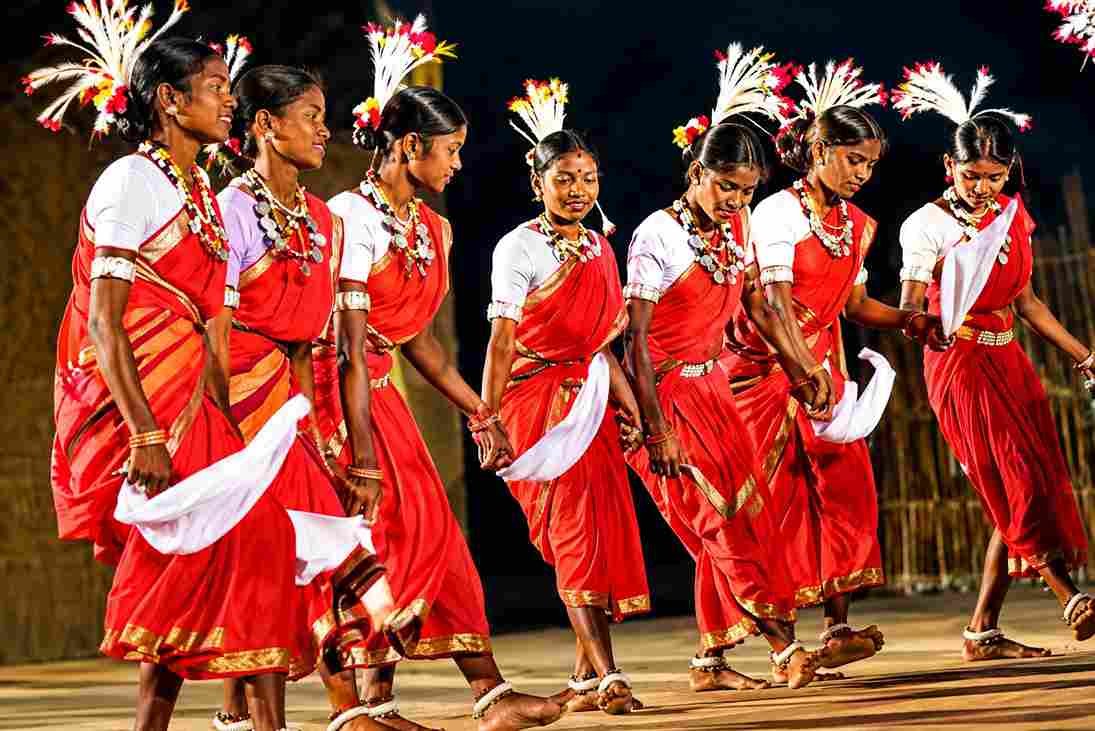
The villages around Tadoba Andhari Tiger Reserve are home to Gond tribal communities who have lived alongside this forest for generations. Their daily life, traditions, and connection to the forest are unlike anything most city visitors have seen up close. Several eco-tourism programs in the area let visitors spend time with local families, understand how conservation actually works at ground level, and see the human side of wildlife tourism in Tadoba. It adds a layer to the trip that pure safari visits usually miss.
Nearby Places From Tadoba National Park
Tadoba National Park is a great starting point to explore many beautiful places around it. The Chandrapur region has a lot to offer history, nature, and local culture all in one place. If you are visiting Tadoba, do not just stop at the safari. Add these nearby places from Tadoba to your travel plan and make your trip even more memorable.
1. Chandrapur City
Chandrapur is the nearest major town to Tadoba, just 36 km away from the reserve. The city is home to the famous Chandrapur Fort, ancient temples, and local markets where you can pick up tribal handicrafts and souvenirs. Most travellers use Chandrapur as their base while planning a Tadoba safari booking, and the town offers good accommodation, food and transport connectivity.
012. Ballarpur
Ballarpur is about 50 km from Tadoba and sits right on the banks of the Wardha River. It is a small industrial town but it has something worth stopping for the Ballarpur Fort and an old palace that was built during the Gond kingdom. Both give you a real sense of how this region looked centuries ago. If history interests you even a little, a short visit here fits nicely into your Tadoba travel plan..
023. Irai Wildlife Sanctuary
Irai Wildlife Sanctuary is only 6 km from Chandrapur which makes it one of the easiest nature spots to visit near Tadoba. The whole sanctuary sits around the Irai Dam reservoir. Crocodiles are seen here regularly. Deer species move through the area and the water birds near the reservoir are worth watching. It never gets too crowded which is exactly why people like stopping here between two Tadoba safaris for a quiet hour or two.
034. Gondwana Fort Sirpur
Sirpur Fort also called Gondwana Fort is an old historical site near Chandrapur built during the time of the Gond kings. The fort has real cultural and archaeological weight to it, not just a pile of old stones. People who come to Tadoba National Park and have any interest in local history usually make a half day trip to Sirpur. It gives you a sense of how deep the roots of this region actually go.
045. Mahakali Temple Chandrapur
Mahakali Temple sits inside the old fort walls of Chandrapur city and is one of the most important religious places in the entire Vidarbha region. Thousands of devotees visit every year. Many travellers going to Tadoba Tiger Reserve from Nagpur or Pune stop here for a darshan on the way either before their safari or on the way back. It takes very little time and the temple itself has a strong atmosphere that stays with you.
056. Navegaon Nagzira Wildlife Sanctuary
Navegaon Nagzira Wildlife Sanctuary is around 150 km from Tadoba and sits in the Vidarbha region of Maharashtra. The sanctuary has scenic lakes, thick forests, and decent leopard and wolf sightings that most people do not expect. If your wildlife tour does not have to end at Tadoba and you have extra days, Navegaon Nagzira is a solid choice to extend your time in the forest without travelling too far.
067. Nagpur
Nagpur is the closest major city to Tadoba at roughly 103 km away. Most people travel to Tadoba Andhari Tiger Reserve, whether from inside India or from abroad pass through Nagpur first. The city has an airport, a busy railway station, and good bus connections to Chandrapur and the reserve gates. Nagpur is also famous for its oranges and Deekshabhoomi which is one of the most visited Buddhist monuments in the country. Spending a day in Nagpur before or after your Tadoba trip is genuinely worth it.
07How to Reach Tadoba National Park
If you are wondering how to reach Tadoba National Park, the good news is it is well connected. Chandrapur district in Maharashtra is where the reserve sits and air, train, and road all bring you here without much trouble.
By Air — Nearest Airport to Tadoba
The airport you need for reaching Tadoba National Park by air is Dr. Babasaheb Ambedkar International Airport in Nagpur, about 110 km from the reserve. Nagpur gets direct flights from Mumbai, Delhi, Hyderabad, Bangalore, Kolkata, and Chennai. After landing just hire a private cab or take a state bus to Chandrapur or straight to your Tadoba gate. Driving from Nagpur airport takes around 2 hours 10 minutes depending on traffic and which entry gate you are heading to.
By Train — Nearest Railway Station to Tadoba
The nearest railway station to Tadoba is Chandrapur Railway Station, just 35 to 45 km from the main entry gates. Chandrapur gets trains from Nagpur, Mumbai, Hyderabad, and several other cities. Step out of the station and local taxis and auto-rickshaws are right there to drop you to Moharli gate, Kolara gate, or Navegaon gate based on your safari zone. Coming from far away? Nagpur Railway Station has more trains and better connections from across India so that works out better for long distance travellers.
By Air: Nearest Airport to Tadoba
The nearest airport for reaching Tadoba National Park is Dr. Babasaheb Ambedkar International Airport in Nagpur, about 110 km from the reserve. Nagpur has direct flights from Mumbai, Delhi, Hyderabad, Bangalore, Kolkata, and Chennai so getting here by air is not complicated from most big cities. Once you land, two options: hire a private cab or catch a state transport bus to Chandrapur or straight to your Tadoba gate. Road time from Nagpur airport sits around 2 hours 10 minutes but that changes depending on traffic and which entry gate you are heading to.
By Train: Nearest Railway Station to Tadoba
The nearest railway station to Tadoba is Chandrapur Railway Station, located just 35 to 45 km from the main entry gates of the reserve. Chandrapur is well connected by train from Nagpur, Mumbai, Hyderabad, and several other major cities. From Chandrapur station, local taxis and auto-rickshaws are easily available to take you directly to Moharli gate, Kolara gate, or Navegaon gate depending on your safari zone. For travellers coming from distant locations, Nagpur Railway Station is a better-connected option with more train frequency and direct routes from across India.
By Road: How to Drive to Tadoba National Park
Tadoba National Park by road is one of the most convenient options for travellers coming from nearby cities. The reserve is well connected through state highways and national highways. Here are the key road distances to keep in mind:
- Nagpur to Tadoba approximately 103 km via NH 361, takes around 2 hours
- Chandrapur to Tadoba approximately 36 km, takes around 1 to 1.5 hour
- Mumbai to Tadoba approximately 807 km via NH 48 and NH 361, takes around 11 hours 22 minutes
- Hyderabad to Tadoba approximately 415 km, takes around 8 to 8.5 hours
- Pune to Tadoba approximately 783 km, takes around 12 hours
- Nagpur to Moharli Gate approximately 160 km, most popular route for safari visitors
Private cabs from Nagpur are widely available and are the most comfortable option for families and groups travelling to Tadoba Tiger Reserve. Several cab aggregators and local taxi services in Nagpur offer dedicated Nagpur to Tadoba cab packages at reasonable rates.
By Bus State Transport Options
MSRTC runs buses from both Nagpur and Chandrapur into the Chandrapur district on a regular basis. Once you reach Chandrapur bus stand, shared gypsies and autos are available that go towards the Tadoba forest gates. The bus is the cheapest way to get here, no question about that. But the journey takes longer and once you get close to the gates, finding a connection is not always easy. Solo travellers and backpackers manage it fine. For families or anyone with a morning safari slot booked, it is honestly not worth the stress.
Frequently Asked Questions
What is Tadoba–Andhari Tiger Reserve?
It is one of the oldest wildlife sanctuaries in India located in Chandrapur district of Maharashtra. It covers more than 1,727 sq km and is home to one of the highest Bengal tiger populations in the country.
Where is Tadoba National Park located?
Tadoba National Park is in the Chandrapur district of Maharashtra, about 103 km from Nagpur and 36 km from Chandrapur city.
Why is Tadoba called the Land of Tigers?
Because tiger sightings here are more frequent and open compared to most other reserves in India. The relatively open sal and teak forest terrain makes spotting tigers much easier.
How did Tadoba get its name?
The name comes from two sources: Tadoba, a local Gond tribal deity also called Taru, and the Andhari River that flows through the reserve.
How big is Tadoba–Andhari Tiger Reserve?
The reserve covers more than 1,727 square kilometres including core and buffer zones, making it the largest tiger reserve in Maharashtra.
What is Tadoba famous for?
Tadoba is most famous for frequent wild tiger sightings, high tiger density, Tadoba Lake wildlife watching, leopard sightings, and easy accessibility from Nagpur.
How many tigers are in Tadoba National Park?
Tadoba consistently records one of the highest tiger densities among all tiger reserves in Maharashtra. Exact numbers change with each census but the population is strong and growing.
What type of safari is available in Tadoba National Park?
Gypsy safari is the main option. Both core zone and buffer zone safaris are available with morning and afternoon slots.
Which zone is better: core zone or buffer zone safari in Tadoba?
The core zone gives the highest tiger sighting chances. Buffer zone is better for bird watchers and those wanting a quieter, more relaxed ride through the forest.
Which gate is best for tiger sighting in Tadoba?
Moharli gate is the most popular for tiger sightings. Kolara gate is preferred by photographers. Navegaon and Agarzari buffer zones are good for Matkasur sightings.
Is a naturalist provided during Tadoba safari?
Yes. Every gypsy safari at Tadoba includes a certified naturalist and a forest guide who knows tiger territories and animal movement patterns.
What is the best time to visit Tadoba National Park?
March to May is the peak season with highest tiger sighting chances. October to February is good for comfortable weather and bird watching. June is the last month before monsoon closure.
Is Tadoba good to visit in winter?
Yes. October to February is comfortable with cool weather, active wildlife throughout the day, and migratory birds near Tadoba Lake.
Who is the most famous tiger in Tadoba?
Maya is the most famous tigress in Tadoba Tiger Reserve and one of the most photographed wild tigers in India. She is frequently spotted near Moharli range.
Who is Matkasur in Tadoba?
Matkasur is currently the most dominant male tiger in Tadoba National Park, known for his massive size. He is frequently spotted around Navegaon and Agarzari buffer zones.
Who is Choti Tara in Tadoba?
Choti Tara is a celebrated tigress of Tadoba known for being comfortable around gypsies. She is often spotted walking openly on forest trails and is a favourite among wildlife photographers.
Who is Waghdoh in Tadoba?
Waghdoh was one of the most dominant male tigers ever recorded in Tadoba, legendary for his large territory and powerful build.
Who is Sonam tigress in Tadoba?
Sonam is a well-known tigress frequently sighted around the Kolara gate zone, known for being a strong and protective mother.
Who is Bijlee in Tadoba?
Bijlee is a swift and elusive tigress mostly spotted around inner forest trails. She is known for her speed and sharp hunting skills.
What trees are found in Tadoba National Park?
Sal and teak are the most common. Tendu, ain, bija, mahua, and bamboo also grow throughout the reserve.
What is special about Tadoba Lake?
Tadoba Lake is a natural gathering point for animals especially in summer. Tigers, marsh crocodiles, sambar deer, and water birds are regularly spotted here during a Tadoba jungle safari.
Is bird watching good in Tadoba?
Yes. Tadoba has over 200 bird species and the wetlands around Tadoba Lake, forest edges, and open meadows are excellent bird watching spots especially in winter.
What is the Andhari River in Tadoba?
The Andhari River flows through the heart of the reserve and gives it its second name. Marsh crocodiles bask along its banks and leopards come here to drink. It adds a different landscape to the forest experience.
Are nature walks allowed in Tadoba?
Yes. Guided nature walks are allowed in select buffer zone areas with a forest guide.
What are the nearby places from Tadoba National Park?
Chandrapur city, Ballarpur, Irai Wildlife Sanctuary, Gondwana Fort Sirpur, Mahakali Temple, Navegaon Nagzira Wildlife Sanctuary, and Nagpur.
How to reach Tadoba National Park from Nagpur?
Driving via NH 361 approximately 103 km, takes around 2 hours. Private cabs are widely available from Nagpur.
What is the nearest airport to Tadoba National Park?
Dr. Babasaheb Ambedkar International Airport in Nagpur is the nearest airport, about 110 km from the reserve.
What is the nearest railway station to Tadoba?
Chandrapur Railway Station is the nearest, just 35 to 45 km from the main entry gates.
Is bus service available to Tadoba?
MSRTC runs regular buses from Nagpur and Chandrapur. From Chandrapur bus stand, shared gypsies and autos go toward Tadoba forest gates. Best for solo travellers and backpackers only.
What is the most convenient way to reach Tadoba?
A private cab from Nagpur is the most comfortable option for families and groups. Nagpur to Tadoba cab packages are available through local taxi services at reasonable rates.
Explore Tadoba Through Our Blogs
Latest Blog Posts
Explore In-Depth Blogs.

Beyond Jungle Safari: Enjoy a Peaceful Visit to Ta...
Most people who plan a Tadoba trip have one goal: to spot a tiger on a jeep safari. That is totally fair. Tadoba Andhari Tiger Reserve in Maharashtra...
Read More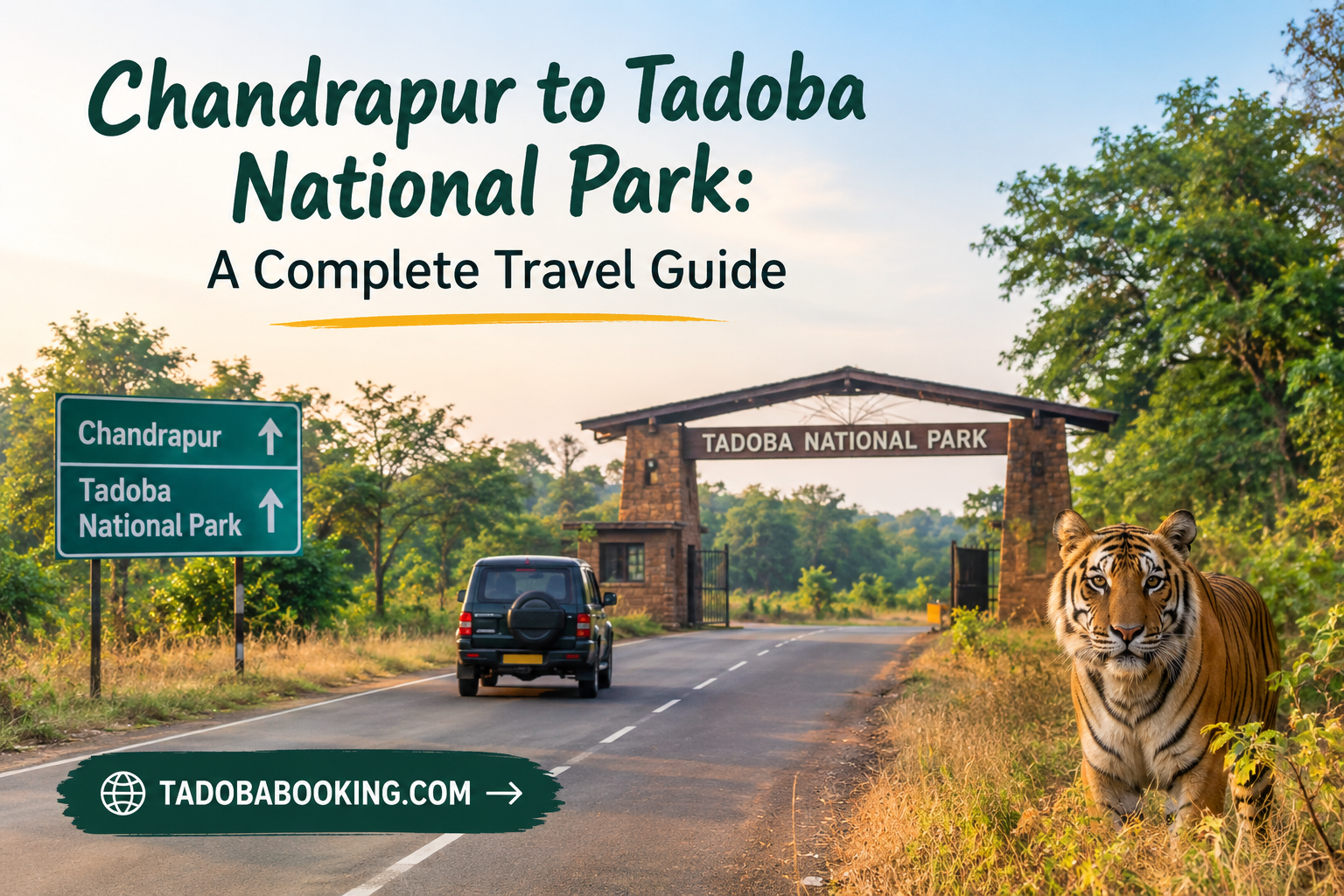
Chandrapur to Tadoba National Park: A Complete Tra...
Tadoba is only about 36 km from Chandrapur, so it’s one of the simplest tiger safaris to plan in India. There are no long highway days and no e...
Read More
How to Reach Tadoba National Park from Mumbai?
Mumbai never really stops and if you are someone who keeps a tiger on their bucket list, Tadoba National Park is closer to that dream than you might...
Read More