Top Attractions near Tadoba National Park
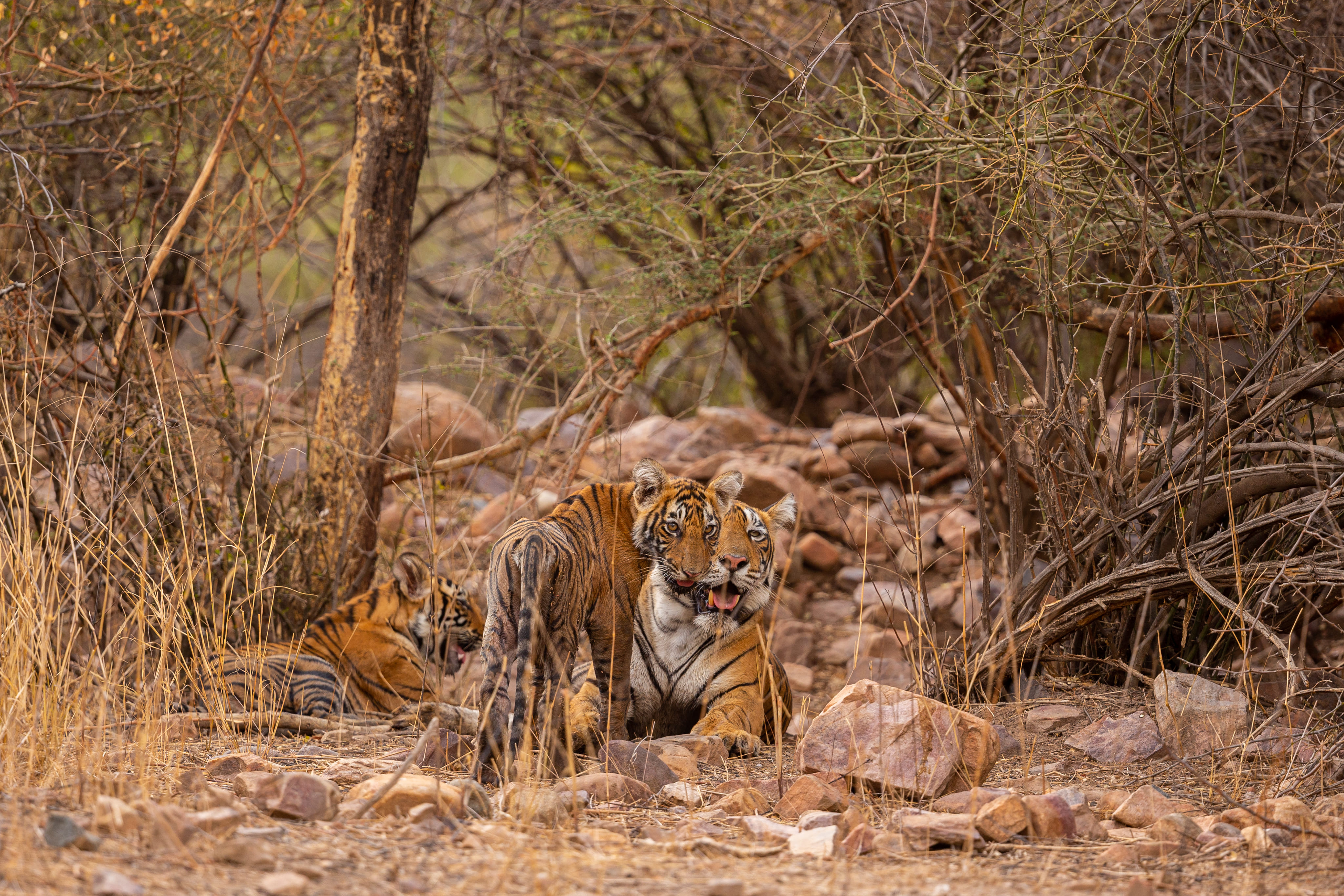
Tadoba Andhari Tiger Reserve, located in the Chandrapur district of Maharashtra, is one of India’s most celebrated and oldest tiger reserves. Spanning over 1,728 square kilometres of lush forests, meandering rivers, and scenic landscapes, Tadoba offers a unique blend of adventure, natural beauty, and wildlife experiences. Known primarily for its thriving population of Bengal tigers, the park is a haven for wildlife enthusiasts, photographers, researchers, and eco-tourists. But Tadoba is more than just tigers—it is home to leopards, sloth bears, wild dogs, marsh crocodiles, Indian gaur, and a rich diversity of flora and fauna. Its combination of scenic beauty, biodiversity, and cultural heritage makes it an unforgettable destination for travellers of all ages.
The park’s rich ecosystem comprises tropical dry deciduous forests, grasslands, and numerous water bodies, providing a perfect habitat for a wide variety of species. Tadoba also serves as a prime example of India’s conservation efforts, as it is part of Project Tiger, launched in 1973 to protect the country’s declining tiger population.
Over the years, Tadoba has become one of the most successful tiger reserves in India, with frequent sightings of these elusive big cats attracting tourists from all over the world. Beyond wildlife, visitors can immerse themselves in the natural rhythms of the forest, explore scenic landscapes, and engage with the local tribal communities who have coexisted with the forest for centuries.
Wildlife Safari – Witness Majestic Tigers and More
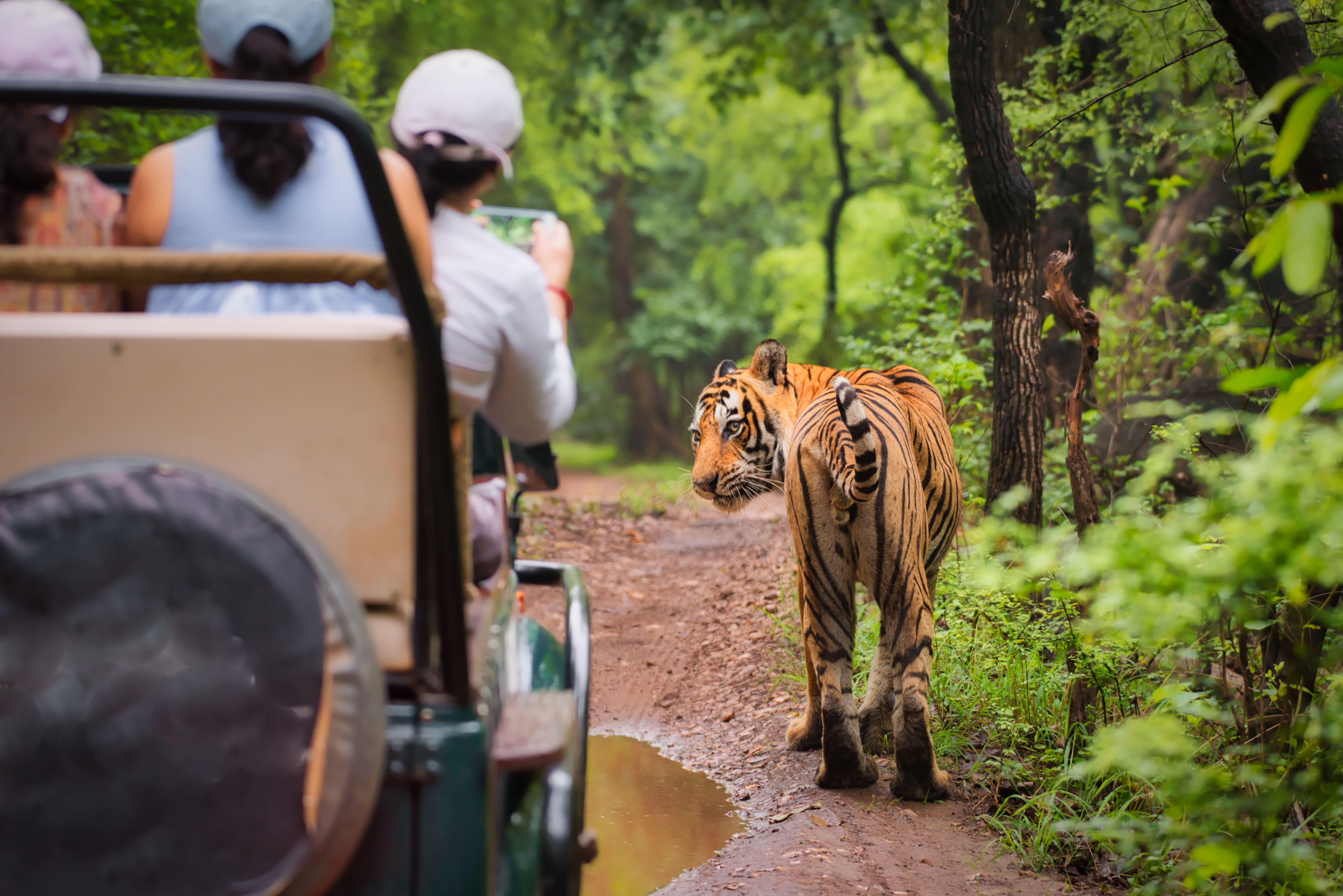
The most iconic activity at Tadoba is undoubtedly the wildlife safari. The park is divided into multiple zones, including Moharli, Kolsa, and Tala, each offering a unique safari experience. Safari timings are typically early morning (around 6:00 AM – 10:00 AM) and late afternoon (around 2:00 PM – 6:00 PM), when animals are most active. Jeeps or canters with trained guides take visitors deep into the forest, following animal tracks and waterholes.
Tadoba’s forests are home to more than 120 species of mammals. The Bengal tiger is the star attraction, often spotted near rivers or in open meadows. Sightings of leopards, sloth bears, and Indian wild dogs are also common. For nature enthusiasts, observing these animals in their natural habitats, undisturbed and thriving, is a rare and humbling experience.
Safari guides add a layer of excitement and education, sharing insights about animal behaviour, forest ecology, and the challenges of wildlife conservation. Photographers often prefer morning safaris when the soft sunlight illuminates the forest and animals, creating perfect photo opportunities. The thrill of seeing a tiger emerge from dense foliage is something that stays with visitors forever.
Nature Trails & Trekking – Discover Hidden Corners of the Forest
For visitors who prefer a more intimate experience with nature, Tadoba offers guided nature trails and trekking routes in its buffer zones. These trails wind through dense forests, grasslands, and riverbanks, providing opportunities to observe smaller mammals, reptiles, and plant species.
Nature trails offer a slower, more contemplative way to experience the forest, where visitors can learn to identify animal tracks, insect life, and native plant species. Experienced guides explain the ecological relationships in the forest, such as predator-prey dynamics and the importance of conserving natural habitats. Trekking also allows visitors to explore areas that are often inaccessible by jeep, offering a more immersive and adventurous experience.
For those interested in flora, Tadoba is home to teak, bamboo, and several medicinal plants. The seasonal changes in vegetation, from lush greenery during the monsoon to dry grasslands in summer, offer a constantly evolving forest experience
Scenic Waterholes – Nature's Gathering Spots
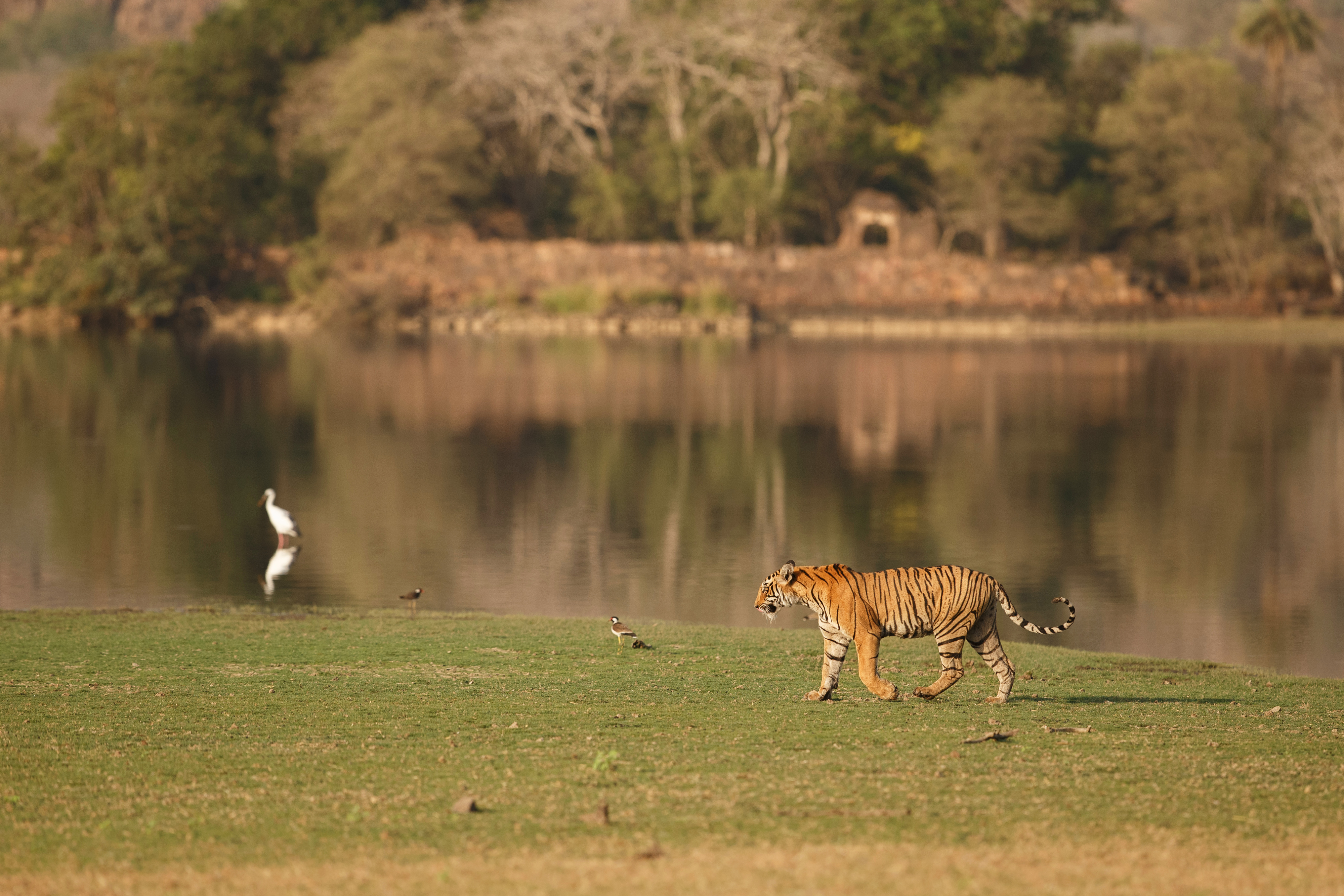
Tadoba’s rivers, streams, and waterholes are vital for its wildlife, especially during the hot summer months. Popular waterholes such as Kolsa, Moharli, and Navegaon serve as gathering points for animals to drink, bathe, and cool off. These waterholes also offer excellent opportunities for photographers and wildlife observers.
The sight of deer, gaurs, wild boars, and even tigers visiting the waterholes is both mesmerising and educational. Each waterhole has its own ecosystem, supporting aquatic life, birds, and surrounding vegetation. Visiting these spots during safaris often provides rare glimpses of predator-prey interactions, making every trip unique and thrilling.
Waterholes also contribute to the park’s biodiversity. Seasonal variations in water levels influence animal movement, which in turn affects forest dynamics, making Tadoba a fascinating destination for wildlife research and ecological studies.
Photography Safaris – Capture the Wilderness
Tadoba is renowned among wildlife photographers for its open landscapes, diverse species, and relatively high probability of tiger sightings. Photography safaris, especially during sunrise and sunset, offer dramatic lighting that enhances the natural beauty of the forest.
Photographers can capture Bengal tigers prowling in the tall grass, leopards resting on tree branches, or gaurs grazing near waterholes. Macro photography enthusiasts can explore the forest floor for insects, amphibians, and plant life. Professional guides and experienced drivers are often able to anticipate animal movements, making it easier for photographers to frame perfect shots.
In addition to wildlife, Tadoba’s landscapes—rivers reflecting the sky, golden savannahs, and forested hills—provide excellent opportunities for landscape and nature photography.
Birdwatching Paradise – A Symphony of Colours and Songs
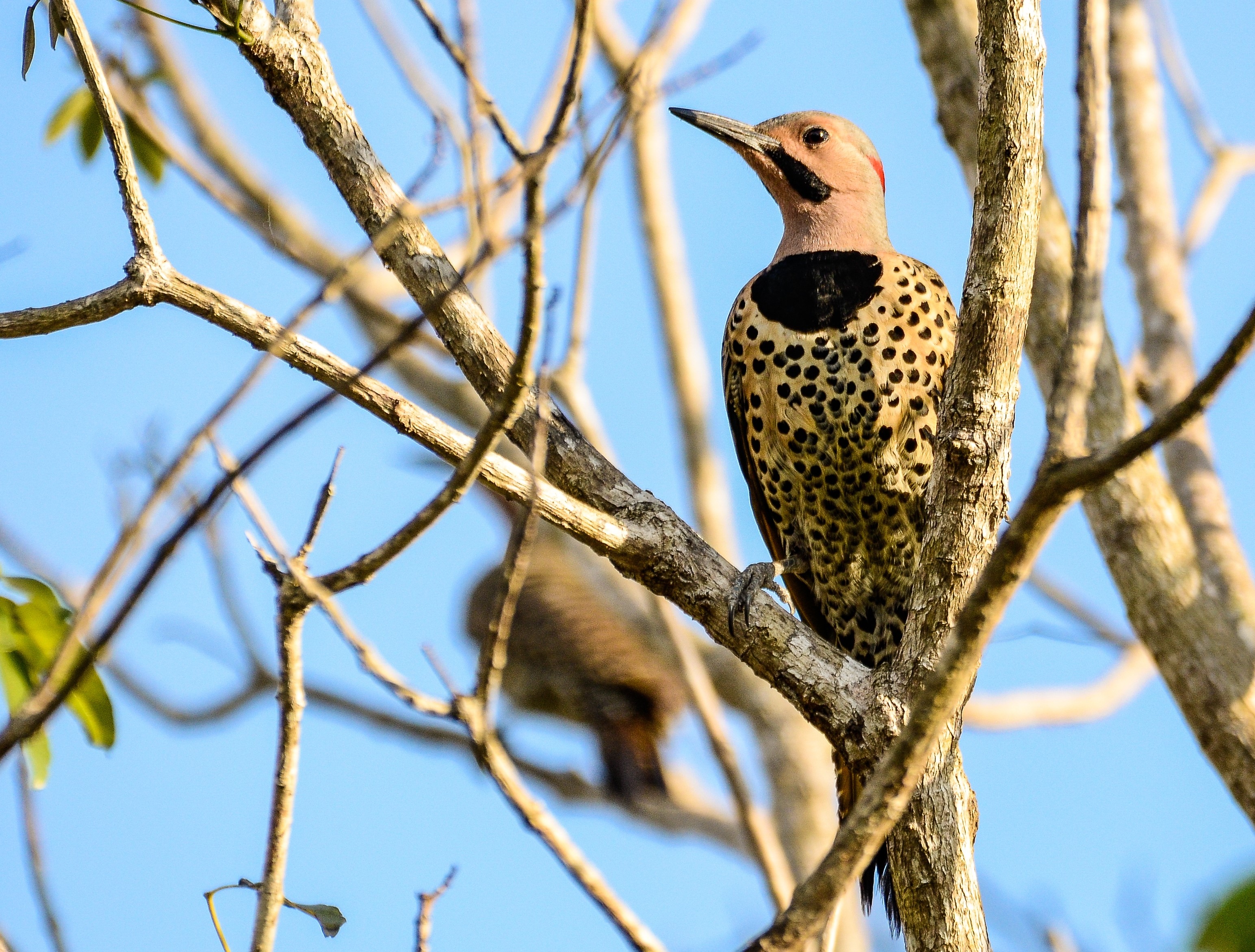
Tadoba is also a birdwatcher’s paradise, hosting over 200 species of birds. From brightly coloured hornbills and kingfishers to raptors like crested serpent eagles, the park’s avian diversity is remarkable. Winter months (October to March) bring migratory species, adding even more variety to the landscape.
Popular spots for birdwatching include the forest edges, waterholes, and tree-covered trails where birds flock to feed, bathe, and socialise. The Malabar pied hornbill, with its striking black-and-white plumage and large curved beak, is among the park’s most iconic bird species. Paradise flycatchers, small but vibrant, add flashes of colour to the green canopy. Enthusiasts often carry binoculars and cameras to capture these fleeting moments in the wild.
Beyond casual observation, birdwatching in Tadoba contributes to understanding local ecosystems, as many birds play crucial roles in seed dispersal and pest control. Guided birdwatching tours led by trained naturalists provide insights into species identification, behavioural patterns, and conservation significance
Camping & Eco-Lodges – Immerse Yourself in the Wilderness
Staying near Tadoba provides more than just a safari experience; it offers a chance to live close to nature. Eco-lodges and jungle camps around the park provide comfortable accommodations while promoting sustainable tourism practices. Many camps are built using local materials and designed to minimise environmental impact.
Guests can enjoy guided night safaris, bonfires, and storytelling sessions about the forest, tribal traditions, and wildlife. Waking up to the sounds of the jungle, with peacocks calling and birds chirping, creates a magical, immersive experience. Eco-lodges also emphasise conservation education, teaching visitors about the park’s biodiversity, water conservation efforts, and responsible tourism practices.
For adventurous travellers, some camps offer activities like bushcraft, wildlife tracking workshops, and forest photography lessons, making the stay both enjoyable and educational.
Tadoba Andhari Forest Museum – Learn About the Wild
The Tadoba Andhari Forest Museum is a must-visit for those interested in understanding the park’s ecology and conservation efforts. The museum showcases exhibits on the park’s flora and fauna, including detailed information about tigers, leopards, and other key species.
Visitors can learn about the history of Project Tiger, anti-poaching measures, and the role of local communities in conservation. Interactive displays and dioramas help illustrate the intricate relationships between species and their habitats. The museum also provides insights into the challenges of managing a protected area and the ongoing efforts to maintain biodiversity.
For families and students, the museum is both educational and engaging, making it an essential stop to appreciate the park beyond the safari experience.
Tribal & Cultural Experiences – Connect with Local Communities
The regions surrounding Tadoba are inhabited by tribal communities such as the Madia Gond and Pardhan tribes. Visitors have the opportunity to engage with these communities, learning about their traditional lifestyle, forest knowledge, and handicrafts
Tribal guides often accompany safaris or nature walks, offering unique insights into animal behaviour, forest plants, and medicinal herbs. Visitors can also witness traditional dances, participate in craft-making workshops, and purchase handmade items, supporting local livelihoods. These cultural interactions provide a deeper understanding of how humans and wildlife coexist, adding another dimension to the wildlife experience.
Experiencing tribal culture in Tadoba is a reminder that conservation is not just about protecting animals but also about preserving human traditions and knowledge that have coexisted with nature for centuries.
Seasonal Highlights – When to Visit Tadoba
The experience at Tadoba varies with the seasons:
- Winter (October – February): Ideal for safaris, birdwatching, and photography due to cooler temperatures and higher animal activity. Migratory birds add to the spectacle.
- Summer (March – June): Best time to observe animals at waterholes, though temperatures can be high. Tigers often come out into open areas, making sightings easier.
- Monsoon (July – September): The forest is lush and green, but many safari roads are closed due to heavy rains. It's a perfect season for nature lovers and botanists.
Planning the visit according to the season ensures the best wildlife and nature experiences.
Conservation and Ecotourism – Protecting the Wild
Tadoba is an exemplary model of wildlife conservation. The park's management focuses on anti-poaching efforts, habitat restoration, and community participation. Ecotourism initiatives, such as responsible safari protocols and sustainable lodging, ensure minimal impact on the forest ecosystem.
Visitors are encouraged to follow guidelines, maintain silence during safaris, avoid littering, and respect wildlife. By supporting eco-lodges and tribal handicrafts, tourists contribute directly to the conservation and local economy, ensuring that Tadoba remains a thriving wildlife sanctuary for future generations.
Travel Tips for Visitors
- Booking Safaris: Booking is recommended, especially during peak seasons.
- Clothing: Light, neutral-coloured clothing is ideal for blending into the forest.
- Photography Gear: Bring binoculars, cameras with zoom lenses, and plenty of memory cards.
- Health & Safety: Carry water, sunscreen, and insect repellent, and follow park safety instructions.
- Local Guides: Hiring certified guides enhances the experience and provides educational insights.
Conclusion – A Complete Wildlife Experience
Whether you are a wildlife enthusiast, a photographer, a nature lover, or a curious traveller, Tadoba Andhari Tiger Reserve offers a comprehensive experience that blends adventure, education, and cultural immersion. From thrilling tiger safaris and birdwatching to engaging with local tribal communities, every moment spent in Tadoba creates unforgettable memories.
The park's rich biodiversity, scenic landscapes, and conservation efforts make it one of India's premier wildlife destinations. Visiting Tadoba is not just a trip—it is a journey into the heart of India's wild and a testament to the delicate balance between humans and nature.