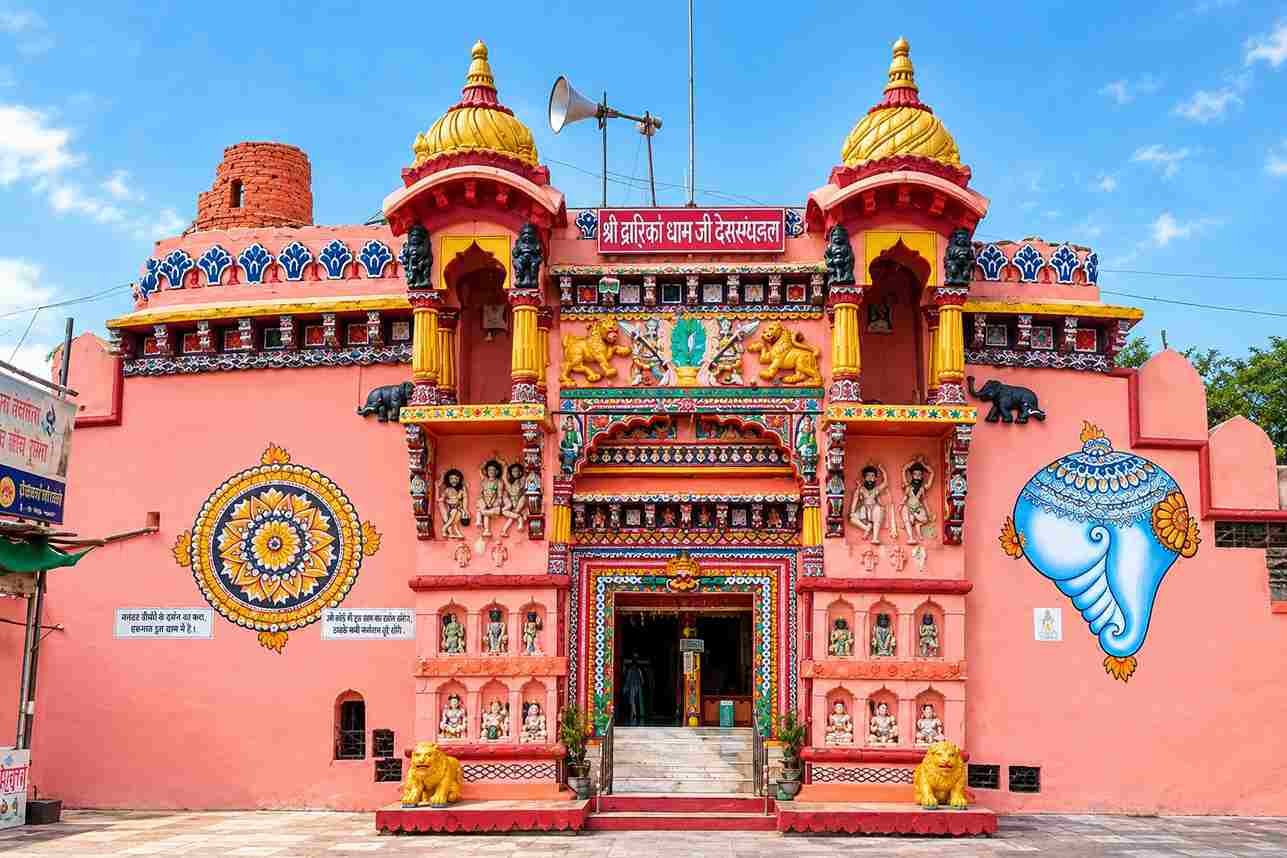
Things to Do in Tadoba National Park
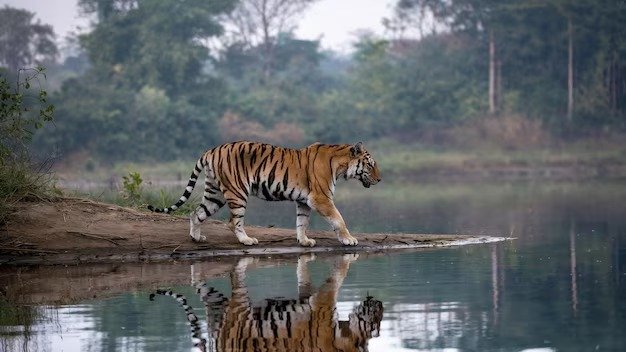
Most people come to Tadoba with one goal: spot a tiger. And yes, that feeling when you finally see one on the track is something you never forget. But Tadoba Andhari Tiger Reserve has a lot more going on than just tiger sightings. Early morning drives through the sal forest, sitting quietly by a waterhole, watching crocodiles slide into the lake, hearing birds you have never heard before all of this is part of the experience. Whether you are coming with family, friends, or just a camera, there is always something waiting for you here beyond the usual safari ride.
Go on a Tadoba Jungle Safari
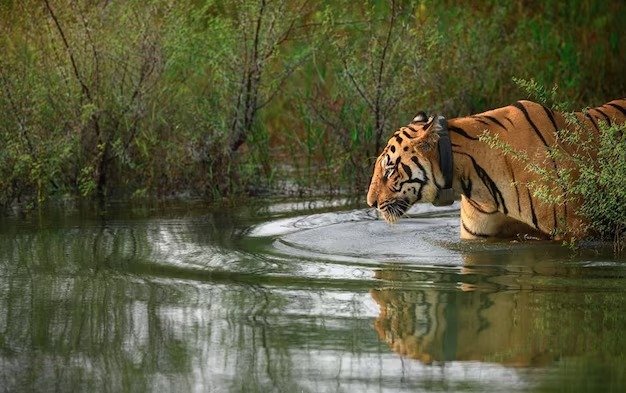
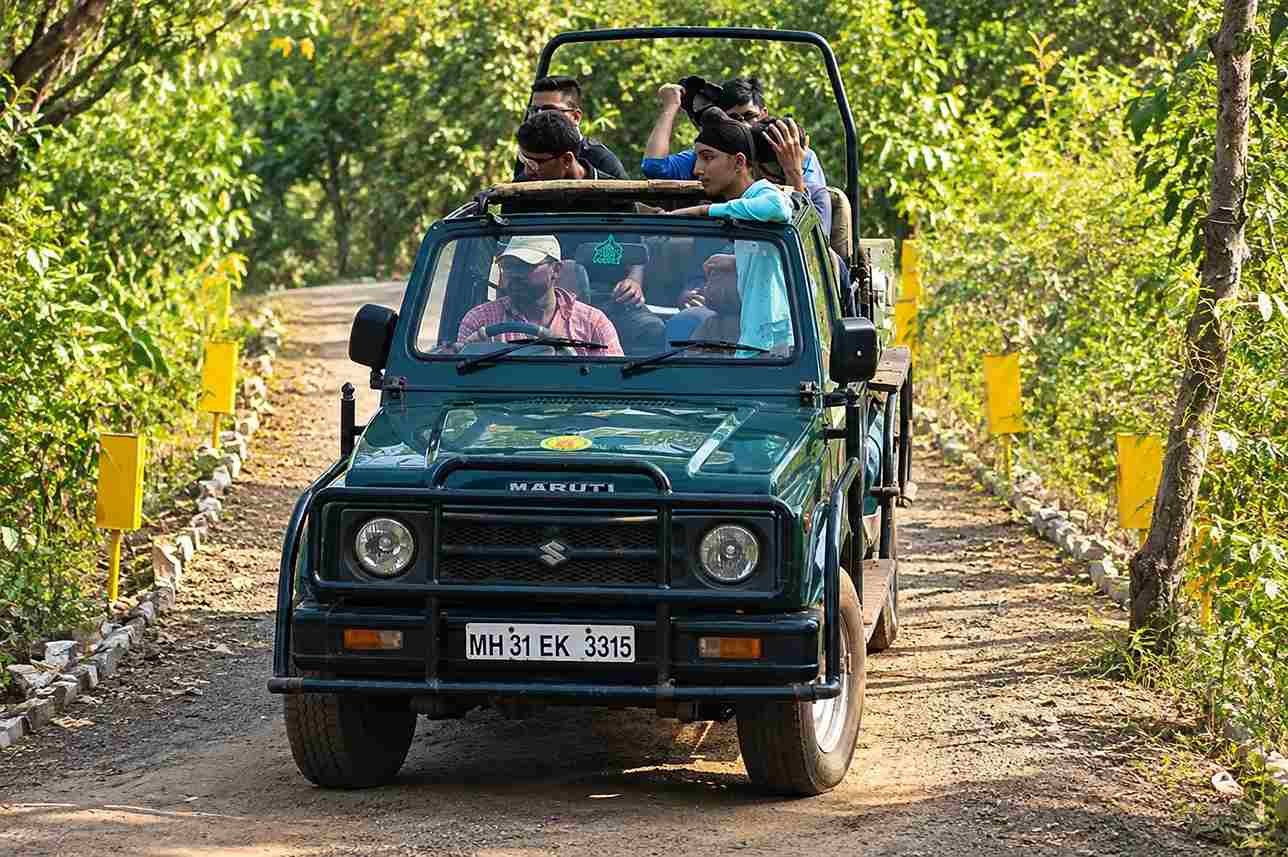
This is the main event. A Tadoba jungle safari runs twice a day, at sunrise and again in the afternoon, and the two drives feel very different. Mornings are cool and quiet, with soft light coming through the trees. By afternoon it's warmer, and the waterholes get busier. You can book a private jeep (gypsy) if you want a small group. Tigers are the big draw, but no one can promise you one. So look around. The deer, birds and forest itself are worth your attention too.
Explore Different Safari Zones and Gates
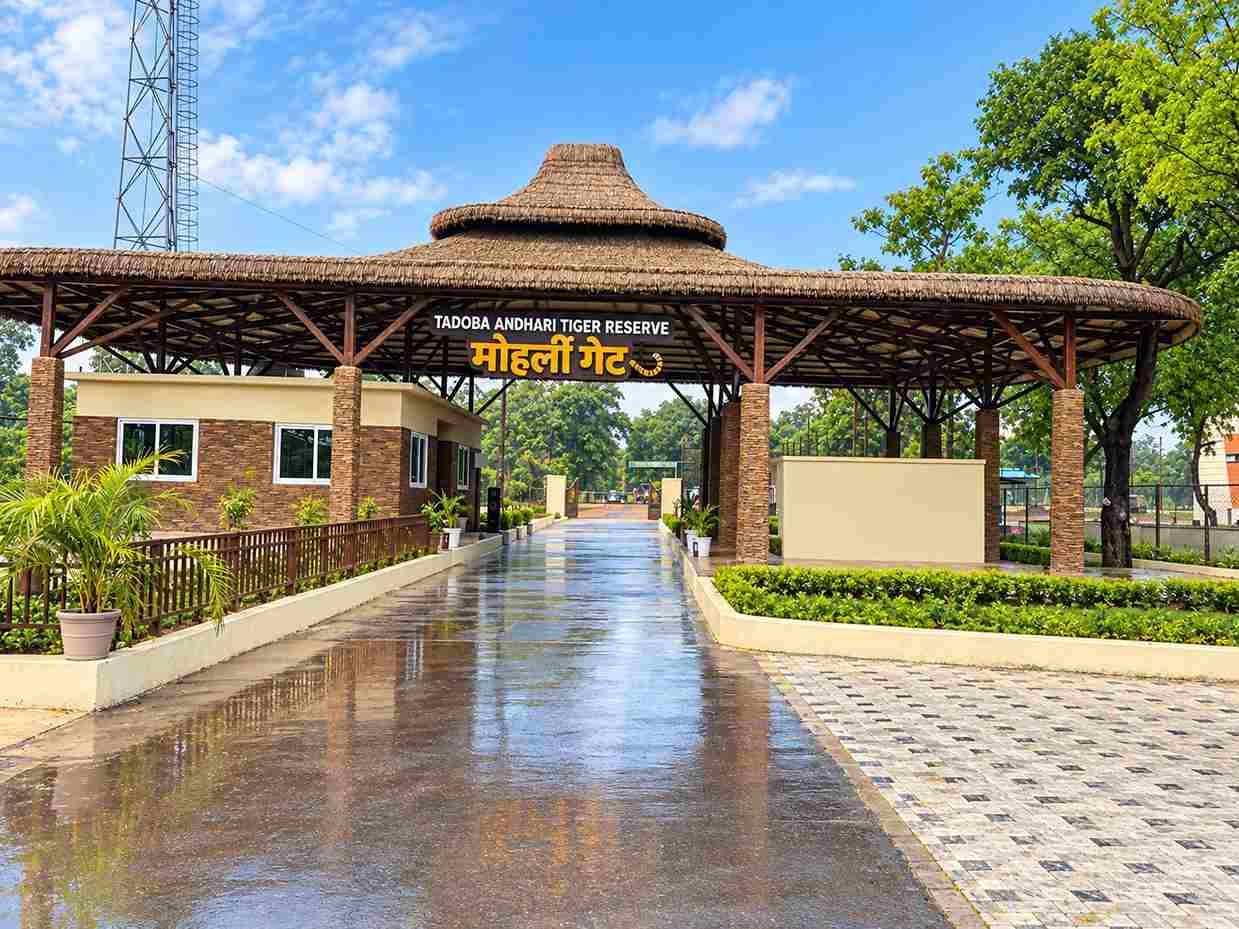
Not every Tadoba safari zone feels the same. Moharli is the best-known core entry. Then there are buffer gates like Navegaon Ramdegi, Kolara Chauradeo, Zari Peth, Pangdi Aswal Chuha, Adegaon, Junona and Alizanza, each with its own terrain. Some have thick bamboo, some open into meadows, and some run along the lake edges. If you're doing more than one safari, switch zones. You'll see more variety and improve your wildlife sighting in Tadoba. Book your Tadoba safari booking early, because the popular slots disappear fast.
Try a Buffer Zone Safari
A lot of first-timers only think about the core area. That's a bit of a miss. A Tadoba buffer zone safari is a good addition to your plan. It's usually less crowded, so the drive feels slower and more relaxed. Leopards, sloth bears, gaur and lots of birds are often seen here. Tigers don't stay inside zone lines either, so sightings do happen. It's also generally easier to get a buffer slot than a core one.
Spend Time at Tadoba Lake
Tadoba Lake is one of the prettiest spots in the reserve, and the animals rely on it for water. Watch for marsh crocodiles resting on the banks, deer coming down for a drink and waterbirds working the shallows. Close by there's a small shrine to Tadoba, also known as Taru, the local deity this park is named after. It's a nice reminder of how long the Gond communities have lived alongside this forest.
Go Birdwatching in Tadoba
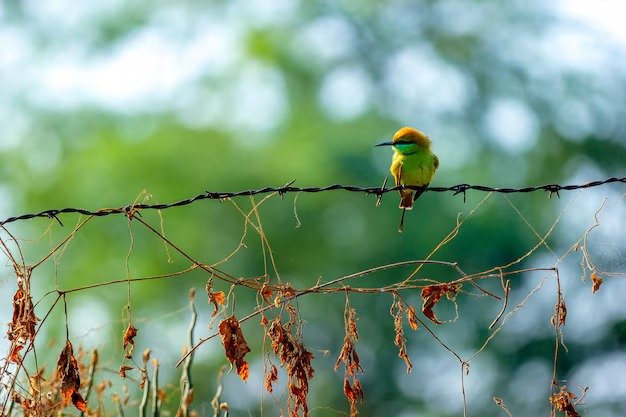
With more than 200 recorded species, birdwatching in Tadoba is a joy even if you are not an expert. Look out for kingfishers, herons, storks, eagles, flycatchers, woodpeckers and parakeets near water and along forest edges. Winter brings migratory birds, which makes November to February a lovely season for Tadoba birdlife. Carry a pair of binoculars and listen as much as you look, because many birds are heard long before they are seen.
Try Wildlife Photography
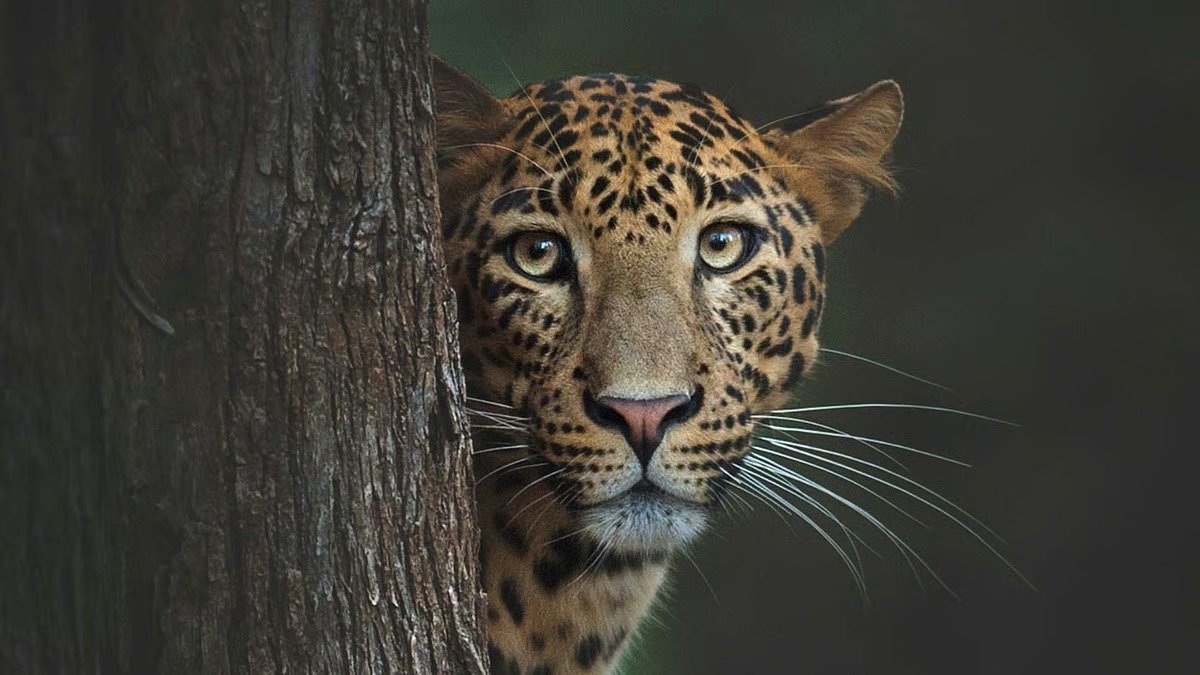
Soft golden light, quiet waterholes and open forest tracks make wildlife photography in Tadoba very rewarding. A telephoto lens of around 200-500 mm works best, and your camera should always be ready, because tiger sightings can be short. Stay quiet, follow your guide's instructions and never ask the driver to chase or crowd an animal. Even a simple phone camera can capture beautiful landscapes, so do not skip photography just because you do not own a big lens.
Visit the Interpretation Centre and Learn About the Forest
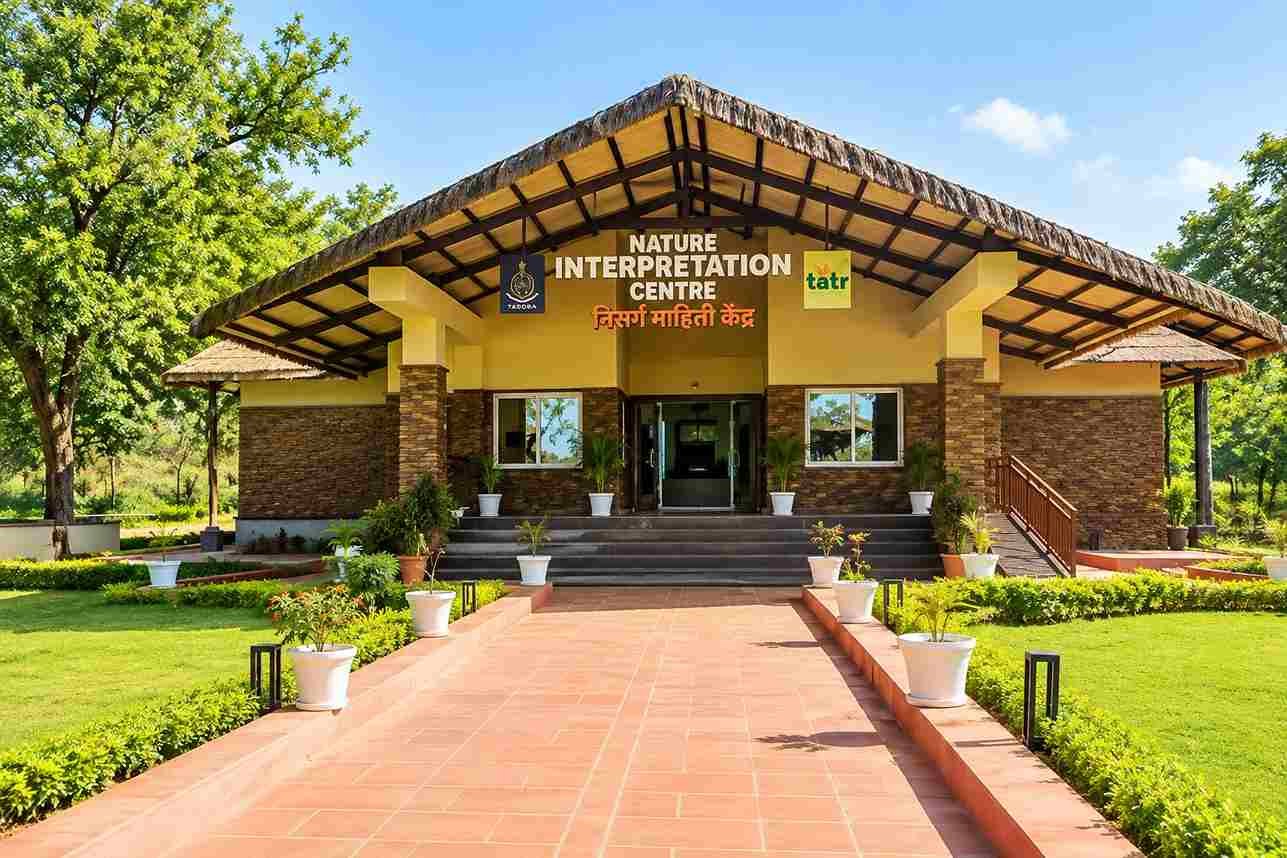
If you want to understand what you are seeing inside the forest, spend some time at the interpretation centre near the park gates. It covers the tigers, trees, birds, and the conservation story of Tadoba in a simple and visual way. Kids especially enjoy it between safari sessions. Your naturalist guide is also a great source of real knowledge — they can read pugmarks, explain alarm calls, and tell you which animal just crossed the track before you arrived. These small things make every drive feel like more than just a ride through the jungle.
Enjoy Nature Walks and Village Life
Spend some time around the villages near the reserve, where you can meet local people, taste regional food and see how communities live alongside the forest. Many resorts also organise guided nature walks in the surrounding areas, outside the core forest. This slower side of eco-tourism in Tadoba supports local livelihoods and gives you a deeper feeling for the place. It is a good choice for visitors who want culture and everyday life along with their wildlife.
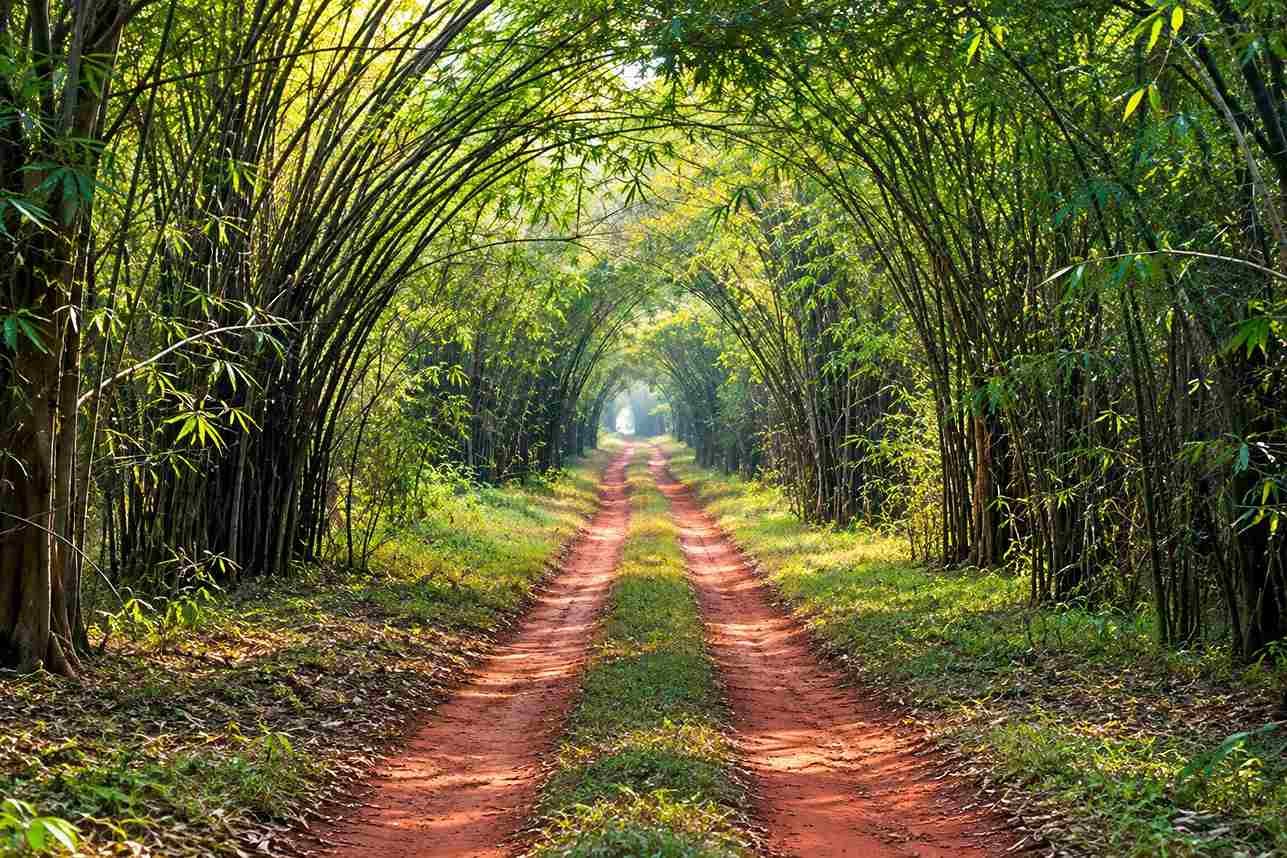
Visit Irai Dam
Irai Dam is just a short drive from Tadoba and honestly one of those spots where you can sit back and relax without any plan. The water is wide, it is quiet, and birds come here regularly. Carry your binoculars or even just your phone and you will spot something worth clicking. It is a good stop on a day when there is no safari scheduled or when you are driving towards Chandrapur. Just check the timings before heading out so you do not make the trip for nothing.
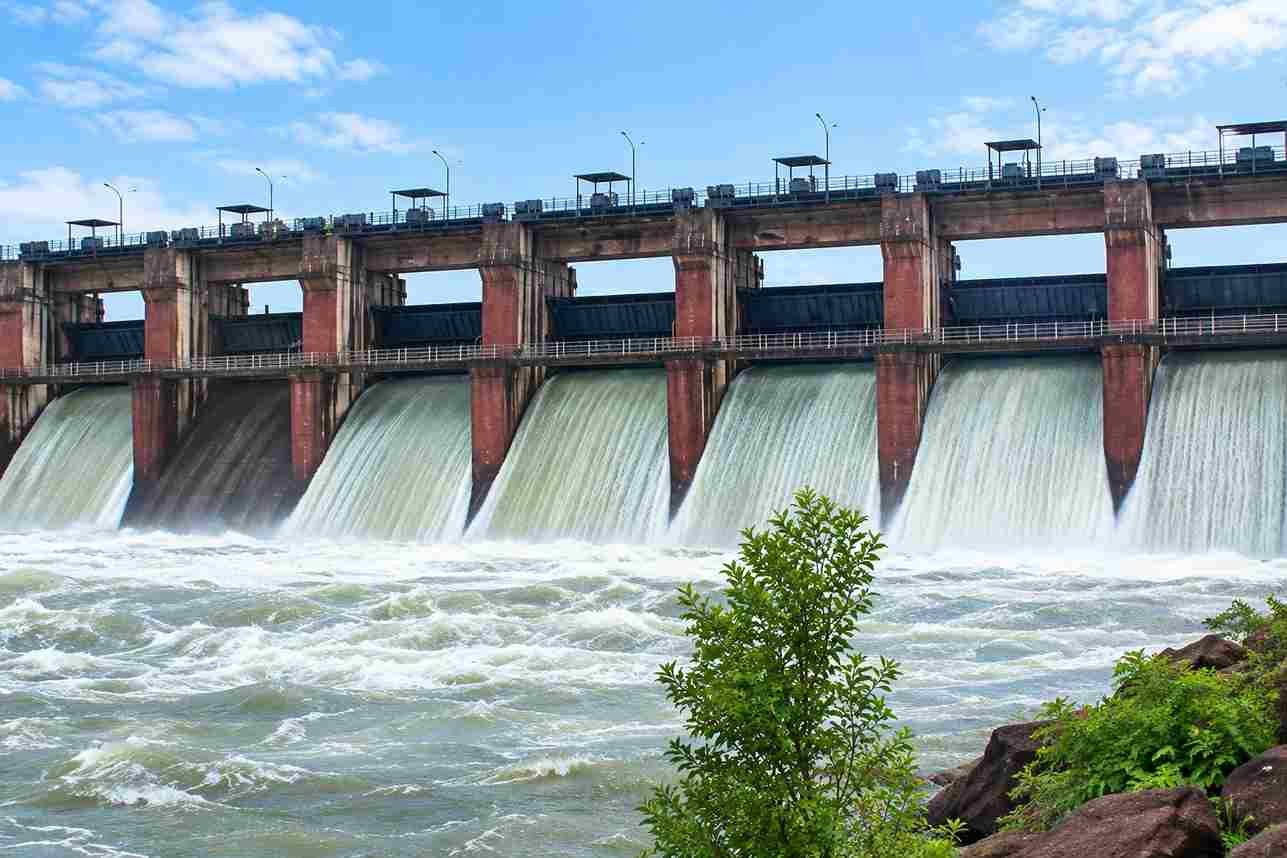
Explore Chandrapur
Chandrapur is the closest city to Tadoba and most visitors pass through it anyway while travelling to or from the reserve. But it is worth stopping here properly at least once. The old fort walls are still standing, the ancient gates have a lot of character, and the Mahakali Temple is one of the most visited religious spots in this part of Maharashtra. After days of jungle and wildlife, walking around Chandrapur for a few hours feels like a nice change. Grab some local food while you are there and take it easy for a bit before heading back.
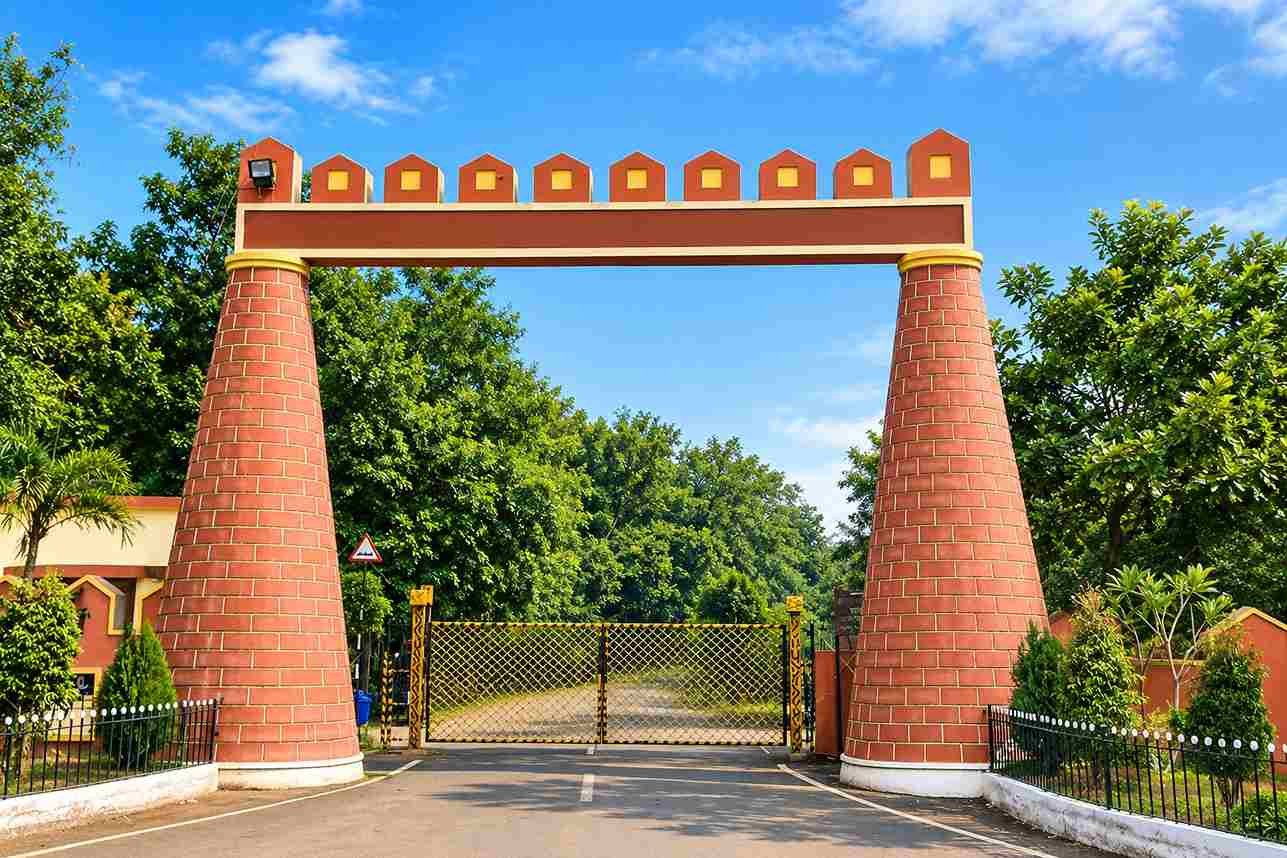
Extend Your Trip to Nearby Tiger Reserves
If you have a few extra days, do not just stick to Tadoba. Pench Tiger Reserve and Navegaon-Nagzira are both reachable by road from here and make for a great combined trip. Each forest feels different trees, different terrain, different wildlife behaviour and seeing more than one reserve genuinely improves your chances of good sightings. Nagpur works well as a base to plan this kind of circuit. Just make sure you check the road distances and travel times before you fix your dates, because drives between reserves can take a few hours and that needs to be factored into your plan.
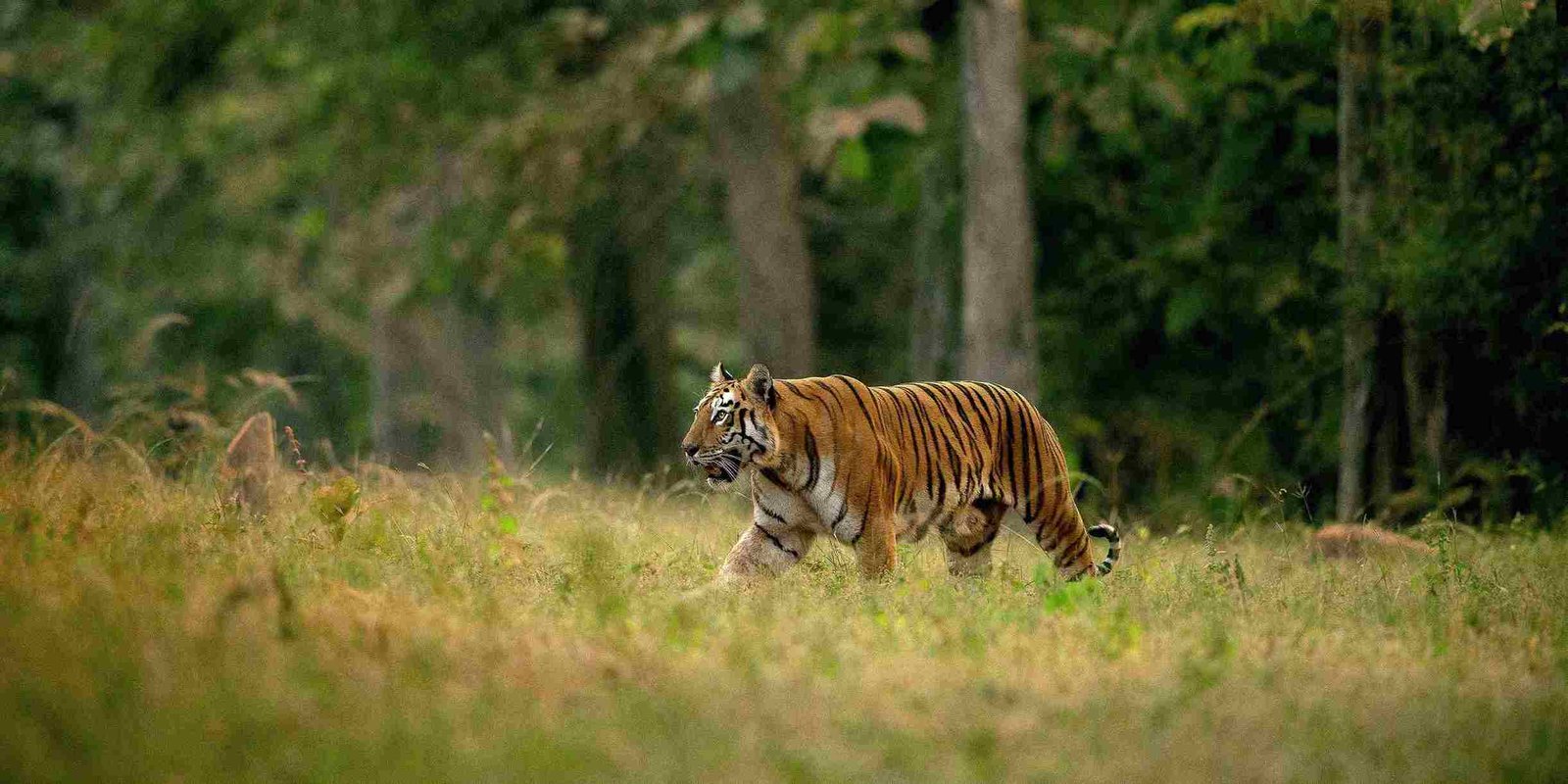
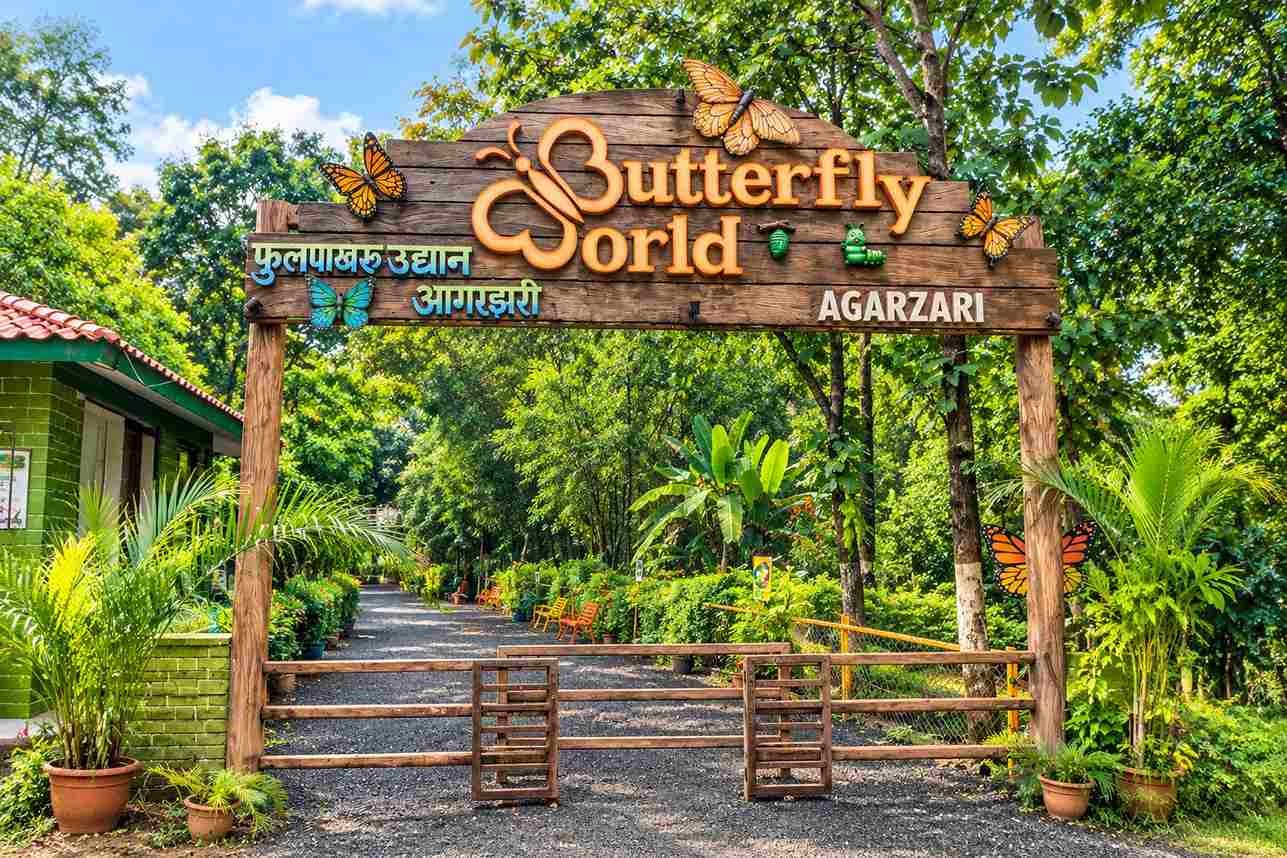
Butterfly World at Agarzari, Tadoba
Most people who visit Tadoba only think about the tiger safari. But just outside the park in the Agarzari buffer zone, there is a butterfly garden that is completely different from anything else around Tadoba. It sits along the Chandrapur-Moharli Road and is surrounded by bamboo groves and native plants. Hundreds of butterflies from different species fly freely around you. It is calm, quiet, and perfect for photography. If you have kids, this is one stop they will love. Best visited in the afternoon after your morning safari.
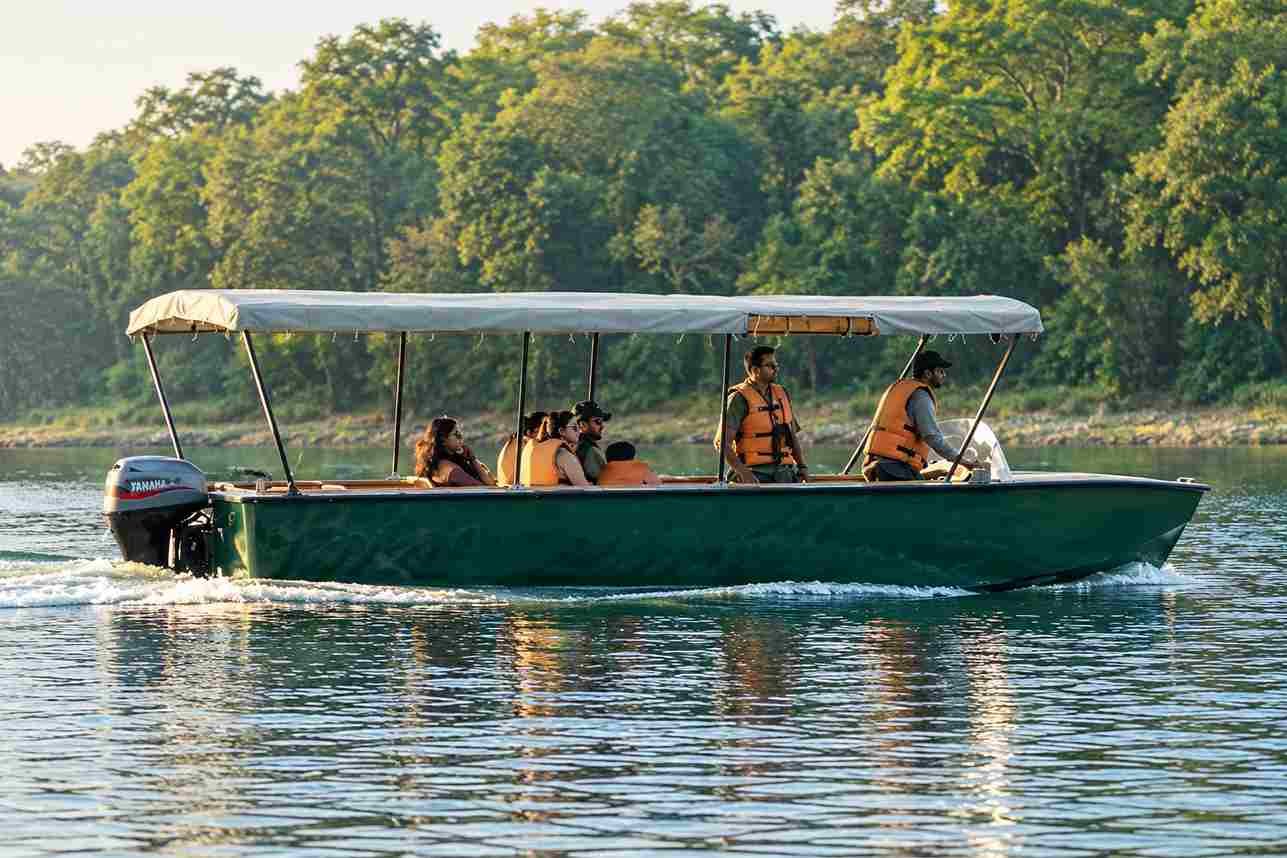
Tadoba Boat Ride in Irai Lake
Irai Lake is one of the most beautiful water bodies near Tadoba Andhari Tiger Reserve and the boat ride here is something most visitors miss. The lake has calm backwaters, open skies, and a great mix of birdlife including migratory birds that arrive between November and February. Freshwater crocodiles also live here, so keeping your eyes open during the ride adds some real excitement. The Forest Department runs the boating facility. Timings are 7 AM to 5 PM. You can also access the lake from outside the park boundaries and take a walk around it.
Ramdegi Temple, Tadoba
Ramdegi is a small, quiet village in the Chimur area of Chandrapur district, not far from Tadoba. It is believed that Lord Ram rested here during his 14-year exile, which makes the Ram temple here very special for devotees. What makes Ramdegi different from other temple visits is the wildlife connection. The area has a strong sloth bear population and tigers have reportedly been spotted entering the temple complex at night. There is also a Buddha Vihar with old Buddha idols around a large banyan tree, about 400 steps from the temple. A nearby waterfall and green forest setting make it a very peaceful day visit.