Tadoba-Andhari Model: It’s Tiger Time in India
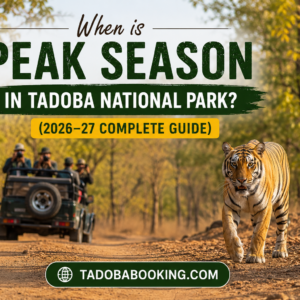
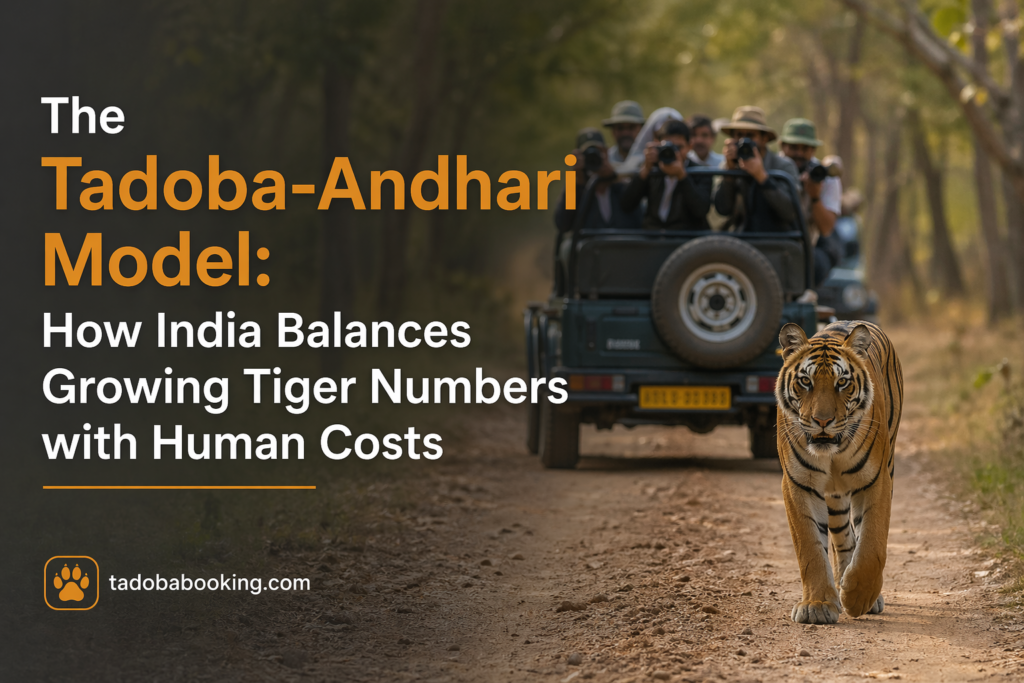
Across India, wildlife tourism is booming. From north to south, at least 25 out of 58 tiger reserves are witnessing a surge of visitors, even in peak summer. Tourists from all walks of life are heading into forests in Gypsy, SUVs, and forest department buses, all chasing one dream — to see a tiger in the wild.
Armed with cameras, smartphones, and long lenses, safari-goers wait patiently through dusty trails and scorching heat. And when a tiger finally appears, even for a brief moment, the atmosphere transforms instantly. Faces light up with awe, excitement, and pride — a feeling often described as the unmistakable “tiger face.”
This growing fascination reflects India’s global importance as the primary home of wild tigers. And among all reserves, Tadoba-Andhari Tiger Reserve (TATR) in Maharashtra stands out as a remarkable example.
Tadoba-Andhari Model: A Unique Tiger Success Story
During a recent visit to Tadoba National Park, sightings of up to 10 individual tigers in just two days — including the famous tigress Junabai and her cubs — highlight the park’s incredible success.
With around 100 tigers, Tadoba is one of India’s most thriving tiger reserves. The core zone, spread across 625 sq km, has seen zero human fatalities due to effective conservation strategies and relocation of villages over the years.
Tourism is also thriving. Over 1,17,000 visitors explored the core zone safely in the past year, while 2,63,000 tourists visited the buffer zones Tadoba, showing the growing demand for wildlife experiences.
The Reality: Human-Tiger Conflict
However, the success of tiger conservation comes at a cost.
The Tadoba-Andhari region, especially Chandrapur district, faces serious human-wildlife conflict. On average, around 10 human deaths per year occur in Tadoba, and about 45 deaths in the wider district due to tiger encounters.
Additionally, livestock losses due to wild animal attacks further impact local communities. As tiger populations grow, they expand beyond protected zones into buffer areas and villages, increasing the risk of conflict.
The Tadoba-Andhari Model: A Balanced Approach
The answer lies in what is now being referred to as the Tadoba-Andhari Model — a practical approach to balancing wildlife conservation with human interests.
1. Strong Local Community Involvement
Local communities are not excluded — they are actively involved. Many villagers, especially those relocated from core areas, benefit directly from tourism.
- Around 400 locals work as safari guides
- Nearly 50% of households receive employment support
- Income opportunities include forest produce like honey and amla
This ensures that tigers are more valuable alive than dead, reducing poaching significantly.
2. Quick Compensation System
One of the biggest strengths of Tadoba’s management is fast compensation for human and cattle losses.
Timely financial support reduces anger and resentment among locals, helping maintain stability even in conflict-prone areas.
3. Tourism Revenue Sharing
Tadoba generates approximately ₹40 crore annually from tourism, and a significant portion is redistributed locally.
This money is used for:
- Livelihood development
- Conflict mitigation
- Awareness programs
- Community welfare
Such financial decentralization builds trust between authorities and villagers.
4. Regulated and Sustainable Tourism
Tadoba Safari bookings are well-managed through an online system, ensuring visitor numbers stay within the forest’s carrying capacity. With 22 entry gates, tourism is distributed evenly, reducing environmental pressure while improving visitor experience.
5. Innovation Beyond Tiger Tourism
Tadoba is now expanding its tourism model beyond tiger sightings.
Future plans include:
- Agrotourism
- Stargazing experiences
- Cycling trails
- Boating activities
- Ayurvedic wellness tourism
- Butterfly parks
This diversification reduces pressure on tiger safari zones and creates additional income sources.
Challenges That Still Need Attention
Despite its success, the Tadoba-Andhari Model is not without flaws. One key concern is the overuse of artificial waterholes, which may artificially inflate prey and predator populations, potentially increasing conflict.
Additionally, some locals still face restrictions on accessing forest resources like mahua, leading to mixed sentiments about conservation policies. Balancing ecological sustainability with traditional rights remains an ongoing challenge.
Lessons for India’s Tiger Conservation
Tadoba offers valuable lessons for other reserves across India.
Recent protests in places like Nagarahole show that ignoring local concerns can disrupt tourism and conservation efforts alike. Tadoba, on the other hand, demonstrates that coexistence is possible when communities benefit directly.
India loses over 1.6 lakh people annually in road accidents, yet continues to improve infrastructure and safety. Similarly, wildlife conservation must aim for maximum ecological benefit with minimum human loss.
Conclusion: A Model for Coexistence
The Tadoba-Andhari Model is not perfect, but it provides a realistic path forward. By combining conservation success with community participation, financial inclusion, and smart tourism management, it shows how humans and wildlife can coexist.
As tiger populations rise, India must adopt similar strategies across reserves. Because ultimately, protecting tigers is not just about saving a species — it’s about preserving the natural heritage that sustains us all.